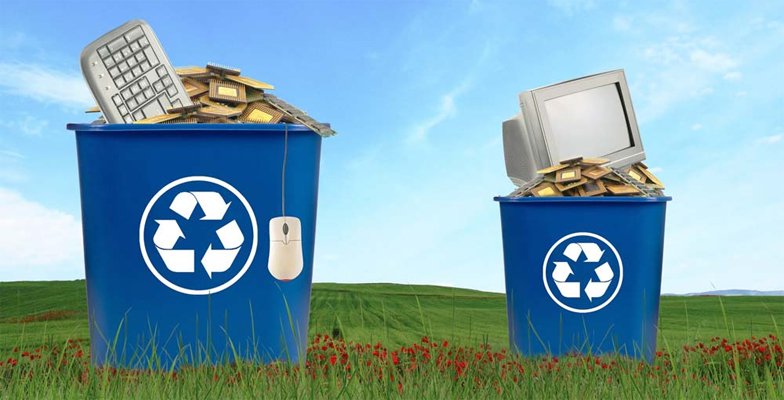
Waste is something everyone encounters, but the way we handle it determines the impact it has on our surroundings. Every day, homes, offices, schools, and businesses create materials that eventually need to be managed. Some items are thrown away without a second thought, while others have the potential to be reused and transformed into something valuable again.
Recycling provides a practical way to reduce waste and protect important resources. It is not about completely changing the way people live overnight. Instead, it is about making smarter decisions, building better habits, and creating systems that make responsible choices easier.
A cleaner future starts with everyday actions. When individuals and organizations work together, recycling becomes more than a routine task — it becomes a meaningful step toward environmental responsibility.
Why Recycling Has Become So Important
The amount of waste produced around the world continues to increase. As lifestyles become more convenient and consumption grows, communities face greater challenges in managing discarded materials.
Many products that end up in landfills still have useful value. Paper, metal, glass, and certain plastics can often be recovered and turned into new products. Recycling these materials reduces the need for additional raw resources and helps conserve energy.
A well-planned recycling program gives homes, businesses, and communities a structured way to manage recyclable items. Instead of guessing what should happen to unwanted materials, people have clear guidelines and organized systems that make participation easier.
The success of recycling depends on consistency. When people understand the process and have convenient options available, recycling becomes a natural part of daily life.
Making Recycling Easier for Households
For many families, the biggest challenge is not wanting to recycle — it is knowing how to do it properly. Different materials often require different handling, and local recycling rules can sometimes feel confusing.
A simple approach works best. Setting up separate containers, learning accepted materials, and creating a regular routine can make recycling much less complicated.
Parents can also use recycling as an opportunity to teach children about responsibility. Small lessons, like explaining why bottles or paper should not simply be thrown away, can create habits that last for years.
Household recycling does not need to be perfect. Every correctly sorted item contributes to a larger effort. Progress comes from regular participation, not from trying to achieve impossible standards.
How Organized Recycling Collection Supports Communities
A recycling system works best when people have convenient ways to participate. Even those who care about the environment may struggle if recycling options are difficult to access.
This is where organized services become valuable. Instead of storing recyclable materials for long periods or transporting them independently, residents and businesses can use structured collection systems.
Reliable recycling collection helps keep recyclable materials moving through the proper channels. It reduces confusion, improves participation, and allows communities to manage waste more effectively.
When recycling becomes convenient, more people are likely to participate. Convenience plays a major role in turning good intentions into consistent action.
The Role of Businesses in Sustainable Recycling
Businesses generate a wide range of materials every day. Offices produce paper waste, restaurants handle packaging, and retail stores often deal with cardboard and product materials.
Without proper planning, recyclable items can easily become mixed with general waste. This creates unnecessary disposal problems and wastes valuable resources.
Companies that introduce recycling practices can improve workplace organization while showing customers they care about sustainability. A clean and responsible business environment creates a positive impression.
Employees are also more likely to support sustainability efforts when the process is simple. Clear recycling stations, proper labeling, and regular education can make participation easier for everyone.
Understanding the Long-Term Benefits of Recycling
Recycling creates benefits that extend beyond immediate waste reduction. It supports resource conservation, reduces pressure on landfills, and encourages more responsible production methods.
When materials are reused, fewer natural resources are required to create new products. This helps reduce environmental strain and supports a more balanced approach to consumption.
Recycling also encourages people to think differently about waste. Instead of viewing unwanted items as useless, we begin to recognize their potential value.
This change in mindset is important because sustainable living is built on awareness. The more people understand the impact of their choices, the more likely they are to make responsible decisions.
Improving Recycling Through Better Awareness
Education plays a major role in successful recycling efforts. Many recycling mistakes happen simply because people do not know what belongs in recycling containers.
Clear information helps prevent contamination and improves the overall recycling process. Communities, schools, and businesses can all contribute by sharing helpful guidance.
Technology is also making recycling more efficient. Better sorting systems, improved tracking methods, and innovative recycling solutions continue to improve how materials are managed.
As these improvements grow, recycling becomes easier and more effective for everyone.
Moving Toward a More Sustainable Tomorrow
Creating a cleaner future does not depend on one person or one organization. It requires cooperation between households, businesses, and communities.
Recycling is a simple action, but its impact can be significant when millions of people participate. Every bottle recycled, every piece of paper reused, and every responsible choice adds to a larger environmental effort.
If you want to learn more about improving your recycling efforts or finding the right solution for your needs, feel free to contact us for guidance and support.
The path toward sustainability begins with small steps. By building better recycling habits today, we can create cleaner spaces, protect valuable resources, and leave behind a healthier planet for future generations.