Hot water is one of those everyday comforts people barely notice until it disappears. A warm shower before work, clean dishes after dinner, towels fresh from the laundry, a quick rinse at the sink — all of it depends on a system most homeowners rarely think about. It sits somewhere in the background, usually in a garage, closet, basement, or utility room, doing its job quietly.
Then one morning the water runs cold halfway through a shower. Or the heater starts making odd rumbling sounds. Or someone notices a small puddle near the tank. Suddenly, that hidden system becomes urgent.
Why Hot Water Feels So Essential
Reliable hot water comfort is not just about luxury. It affects hygiene, cleaning, cooking, laundry, and the basic rhythm of a household. When hot water is steady, life moves normally. When it is not, everyone has to adjust. Showers get rushed. Dishes pile up. Laundry waits. Small inconveniences become big ones surprisingly fast.
A good water heating system should match the home’s actual needs. A family with several bathrooms, morning showers, and heavy laundry use will need a different setup than a smaller household with lighter demand. The right size and type of system can make daily routines feel smooth instead of unpredictable.
Your Water Heater Is Part of a Bigger Picture
Water heaters do not work alone. They are connected to pipes, valves, fixtures, pressure controls, and sometimes water treatment equipment. Problems in one area can affect another. Hard water, for example, may cause mineral buildup inside the heater. Poor water pressure can make hot water delivery frustrating. Aging pipes may affect flow, temperature consistency, or water quality.
That’s why home plumbing systems should be looked at as a whole, not as separate pieces with no connection to each other. If hot water takes too long to reach a faucet, or if one bathroom gets hotter water than another, the issue may not be the heater alone. The layout, pipe condition, and fixture performance all matter.
Warning Signs You Shouldn’t Ignore
Most water heaters give small clues before they fail completely. Popping or rumbling sounds may point to sediment in the tank. Rusty water can suggest corrosion. Lukewarm water might mean a failing heating element, burner issue, or thermostat problem. Leaks near the base of the tank are especially serious and should be checked quickly.
Age is another factor. If a system is old and repairs are becoming more frequent, replacement may be more practical than another temporary fix. Nobody enjoys paying for a new water heater, but nobody enjoys emergency water damage either.
Installation Makes a Real Difference
Even a high-quality water heater can perform poorly if it is not installed correctly. Proper installation involves more than connecting a few pipes. The system must be sized correctly, vented safely if gas-powered, connected to the right electrical or fuel source, and set up according to local code.
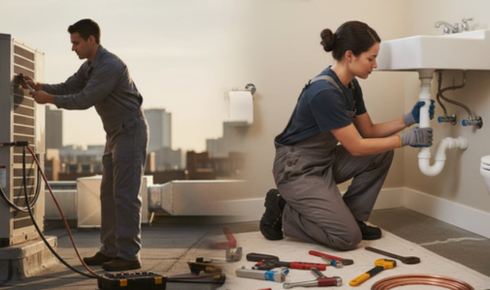
This is where expert technicians make a real difference. A trained professional can assess household demand, recommend the right type of heater, handle safe installation, and explain how to care for the system after it is running. That guidance can prevent performance issues and help the equipment last longer.
Maintenance Is Easy to Forget
Water heaters are out of sight, so maintenance often gets ignored. But regular care can help prevent problems. Tank systems may need flushing to remove sediment. The anode rod may need inspection or replacement. Valves and connections should be checked. Tankless units may need descaling, especially in areas with hard water.
These tasks may sound small, but they matter. A neglected system can lose efficiency, make noise, deliver less hot water, or fail sooner than expected. A yearly inspection is usually easier and cheaper than dealing with a surprise breakdown.
Water Quality Can Affect Hot Water Performance
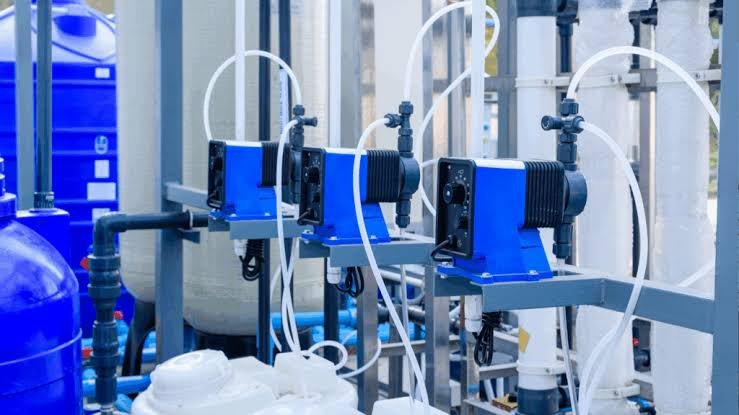
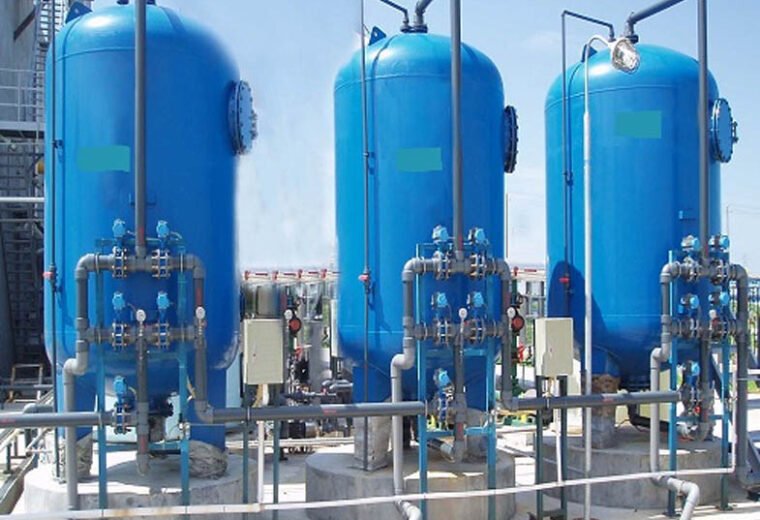
Hard water is a quiet troublemaker. Minerals can settle inside a tank or build up in a tankless heat exchanger. Over time, this can reduce efficiency and force the system to work harder. If your home has hard water, a water softener or other treatment may help protect the heater and improve overall performance.
Water quality can also affect fixtures, appliances, and pipes. So if you are replacing a heater, it may be a good time to ask whether your water itself is contributing to the problem.
Repair or Replace?
Not every issue means replacement. Some problems, like a bad thermostat, heating element, valve, or pilot assembly, may be repairable. But if the tank is leaking, the unit is very old, or repair costs are stacking up, replacement is often the wiser choice.
A new system can improve reliability, efficiency, and recovery time. It also gives homeowners a chance to choose a better fit for their current household needs.
A Quiet System with a Big Role
Hot water may not be the most exciting part of a home, but it is one of the most used. It supports comfort, cleanliness, and convenience every single day. When the system is properly installed, maintained, and matched to the home, it fades into the background in the best possible way.
That is what good plumbing should do. Work quietly. Support daily life. And let everyone enjoy a warm shower without thinking twice.