Most homeowners don’t spend much time thinking about water until it starts causing problems. And honestly, that’s fair. Water is supposed to work quietly in the background while life moves on around it.
But then something changes.
You notice stubborn white stains around the sink. Your skin feels dry after every shower. The dishwasher leaves cloudy marks on glasses no matter how many rinse pods you buy. Coffee tastes slightly strange. Laundry somehow feels stiff even after fabric softener.
At first, those things seem unrelated. Small annoyances. Easy to brush off. Yet over time, many people realize the common thread running through all of it is the water inside their home.
That realization has pushed more homeowners to pay closer attention to the quality of the water they use every single day.
Hard Water Is More Common Than People Think
One of the biggest household water issues is hard water. It’s not necessarily unsafe, but it can create a surprising number of headaches over time.
Hard water contains high levels of minerals like calcium and magnesium. Those minerals slowly build up inside pipes, water heaters, faucets, and appliances. The buildup doesn’t happen overnight, which is partly why many homeowners don’t notice it until the effects become obvious.
Soap stops lathering properly. Dishes come out spotted. Showerheads clog faster than expected. Water heaters lose efficiency because mineral deposits accumulate inside the tank.
And then there’s the comfort side of it.
Hair often feels dull or heavy after washing. Skin can feel tight and irritated, especially during colder months. Towels lose softness. Little things, maybe, but they add up surprisingly fast.
That’s why so many families eventually look into water softeners to help reduce mineral content and improve water performance throughout the home. And honestly, people usually notice the difference faster than they expect.
Better Water Changes Daily Routines
The interesting thing about improving household water is that the biggest benefits are often subtle.
You stop scrubbing faucets constantly. Your morning tea tastes cleaner somehow. Soap rinses properly again. Laundry smells fresher. Showers become more comfortable instead of feeling harsh or drying.
These aren’t dramatic lifestyle transformations. Nobody installs a water system and suddenly feels like they’re living in a luxury resort. But there’s a steady comfort that comes from reliable, cleaner water flowing through the house every day.
And once homeowners experience it, they tend to wonder why they waited so long.
Understanding Water Conditioning
A lot of people confuse filtration and softening, but they aren’t exactly the same thing.
Softening specifically targets hard minerals. Water conditioning, on the other hand, can involve broader approaches to improving water quality and reducing the negative effects of minerals or contaminants.
Depending on the home, conditioning systems may help reduce scaling, improve appliance efficiency, and create more balanced water overall without necessarily removing every mineral completely. Some systems rely on salt, while others use salt-free technologies or specialized filtration processes.
The important thing is understanding what problem you’re actually trying to solve.
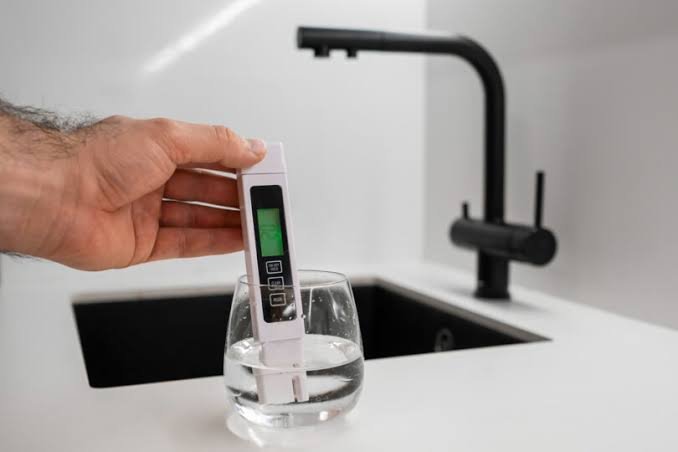
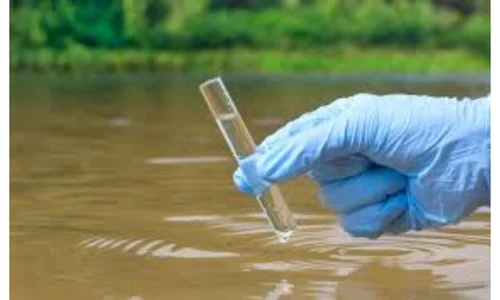
That’s why professional water testing matters before buying expensive equipment. Without testing, homeowners often end up purchasing systems based on marketing claims instead of actual water conditions.
And honestly, the water industry loves complicated terminology. Every product claims to be revolutionary. Meanwhile, many households simply need a practical solution tailored to their specific water issues.
Every Home’s Water Situation Is Different
Water quality varies far more than most people realize. Even neighboring homes sometimes experience different problems depending on plumbing age, local infrastructure, or whether the property relies on municipal supply or private wells.
One family may mainly struggle with hard water buildup. Another might deal with chlorine-heavy city water. Rural homes often face sediment, sulfur smells, or iron staining.
That’s why there’s no universal “best” setup for everyone.
Some households benefit most from simple softening systems. Others need layered water treatment systems that combine filtration, conditioning, UV purification, or sediment removal to properly address their water concerns.
The smartest approach usually starts with understanding the actual composition of the home’s water rather than chasing whatever product happens to be trending online.
Maintenance Matters More Than Fancy Features
Here’s the part that sales brochures rarely emphasize enough: even excellent water systems need upkeep.
Filters require replacement. Salt levels need monitoring. Certain systems benefit from periodic inspections to maintain performance. Ignoring maintenance slowly reduces efficiency over time, sometimes without obvious warning signs initially.
Fortunately, modern systems are generally easier to maintain than older generations used to be. Many homeowners settle into simple routines once everything is installed.
And compared to dealing with damaged appliances, plumbing repairs, or years of mineral buildup, basic maintenance feels pretty manageable.
Still, it’s worth remembering that no water system is truly “install once and forget forever.”
Cleaner Water Creates Quiet Peace of Mind
Beyond the technical benefits, there’s also something emotional about having dependable water at home.
You stop second-guessing odd tastes or smells. You feel more comfortable cooking, bathing, and drinking directly from the tap. You worry less about what’s slowly happening inside pipes and appliances behind the walls.
That peace of mind matters more than people expect.
And maybe that’s why homeowners who upgrade their water systems often describe the improvement in surprisingly personal ways. Not flashy. Not dramatic. Just… easier. Cleaner. More comfortable.
Sometimes the best home upgrades are the ones working silently in the background, improving daily life without constantly demanding attention.
Good water tends to do exactly that.