There’s something quietly reassuring about filling a glass from the kitchen tap and not thinking twice about it. No strange smell. No odd aftertaste. No hesitation before taking a sip. Just simple, clean water doing exactly what it should.
But honestly, many homeowners don’t have that level of confidence anymore.
Over the last several years, people have started paying much closer attention to the water running through their homes. Some noticed changes in taste. Others became concerned after hearing about aging infrastructure or contamination issues in nearby communities. And for many families, it simply came down to wanting better quality water for everyday life.
Whatever the reason, water conversations that once felt overly technical or unnecessary have become surprisingly common around dinner tables and home improvement projects alike.
Most People Don’t Notice Water Problems Right Away
The tricky thing about household water issues is how gradually they often appear. Water rarely changes overnight in some dramatic way. Instead, small clues start piling up slowly.
A faint chlorine smell. Coffee tasting slightly bitter. White buildup around faucets. Dry skin after showers. Cloudy ice cubes. Little things that feel easy to ignore at first.
But over time, people begin realizing how much water affects daily routines. Cooking, cleaning, bathing, laundry — nearly everything inside a home depends on it in some way.
And honestly, once someone notices a water issue, it becomes difficult not to notice it everywhere afterward.
Drinking Water Has Become a Bigger Conversation
For many families, concerns start specifically with drinking water. People naturally care about what they consume every single day, especially when children are involved.
Even when municipal water meets official safety standards, homeowners may still dislike the taste, smell, or mineral content. Others rely on private wells, where water conditions can vary significantly depending on geography, weather, and local environmental factors.
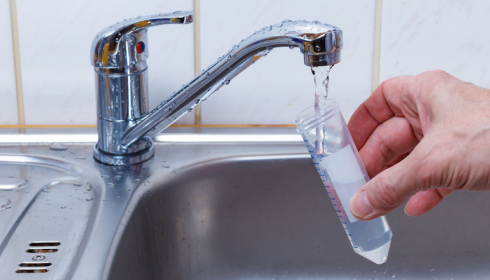
That uncertainty pushes many people toward additional filtration or testing, not necessarily out of panic, but because they want greater control over what enters their home.
And honestly, peace of mind carries real value. When water tastes clean and fresh, people naturally feel more comfortable using it for everything from cooking pasta to filling reusable bottles before work or school.
Filtration Technology Has Changed a Lot
Years ago, home water filtration often meant a basic pitcher sitting in the refrigerator door. Helpful, maybe, but fairly limited.
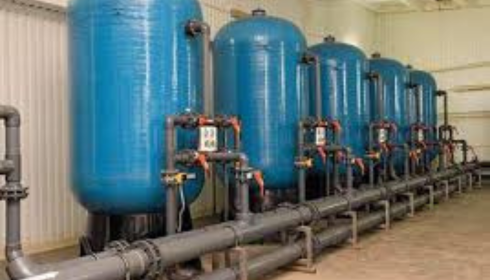
Today’s filter systems are much more advanced and customizable. Some target chlorine and sediment. Others focus on reducing heavy metals, bacteria, sulfur odors, or excess minerals. Whole-house systems can even treat water before it reaches showers, washing machines, or dishwashers.
The variety surprises many homeowners at first. There’s no single “perfect” system because water conditions vary so much from one location to another.
That’s why testing matters before buying expensive equipment. A home dealing with hard water needs different treatment than a property struggling with sulfur smells or iron staining. Guessing usually leads to wasted money and frustration later.
And honestly, online advertisements tend to oversimplify water treatment far too much.
Better Water Quietly Improves Everyday Life
One thing people rarely expect is how quickly cleaner water changes ordinary routines.
Coffee tastes smoother. Tea feels fresher. Ice cubes stop carrying weird freezer odors. Showers become more comfortable. Dishes come out cleaner without streaks or cloudy spots.
None of these changes sound dramatic individually, but together they shape how a home feels every single day.
Water also affects appliances more than most people realize. Mineral-heavy or untreated water can reduce the lifespan of dishwashers, water heaters, coffee makers, and washing machines over time. Better water quality often means less buildup, improved efficiency, and fewer maintenance headaches long term.
And honestly, homeowners already spend enough money dealing with repairs. Preventing unnecessary wear simply makes sense.
Water Treatment Isn’t About Fear
There’s sometimes a misconception that home water treatment systems are only for people who are paranoid or overly cautious. In reality, most homeowners simply want consistency and comfort.
People want water that tastes good. They want fewer stains around fixtures. They want reliable showers, cleaner laundry, and confidence in what their family drinks every day.
That’s practical, not extreme.
Modern treatment systems are also much easier to manage than older setups people may remember from years ago. Many systems now include automatic monitoring features, efficient filtration cycles, and simpler maintenance requirements than homeowners expect.
Most routine upkeep involves occasional filter replacements or basic inspections — nothing overly complicated for the average household.
Every Home Has Different Water Needs
One important thing homeowners often discover is that water quality varies dramatically depending on location. Two houses only a few miles apart can have completely different mineral levels, contaminants, or treatment needs.
Municipal systems, private wells, regional geology, and even aging plumbing infrastructure all influence water conditions differently.
That’s why personalized solutions matter more than generic recommendations online. What works perfectly for one household might solve absolutely nothing for another.
And honestly, that’s okay. Water treatment isn’t supposed to be one-size-fits-all.
Final Thoughts
Water quietly touches nearly every part of life at home, from morning coffee and evening showers to cooking, cleaning, and long-term appliance performance. Yet people often don’t think much about it until something starts feeling slightly wrong.
The good news is that improving household water quality has become far more accessible than it once was. Modern filtration and treatment options allow homeowners to create cleaner, safer, and more comfortable water experiences tailored to their actual needs.
And once those improvements become part of everyday life, it’s surprisingly hard to imagine going back to anything less.