Most homeowners don’t think much about their water until something changes. Maybe your morning coffee tastes a little different, the shower leaves your skin feeling dry, or your dishwasher suddenly starts leaving cloudy spots on every glass. At first, it’s easy to shrug these things off. Life gets busy, after all. But over time, those little annoyances can become reminders that the water flowing through your home isn’t exactly the same as it used to be.
The interesting thing about water is that it rarely announces problems all at once. Changes tend to happen gradually. A slight odor here, reduced pressure there, a buildup around the faucet that wasn’t there last year. These small clues are often worth paying attention to because they reveal what’s happening inside your plumbing long before bigger issues appear.
Understanding your home’s water isn’t about becoming an expert overnight. It’s simply about knowing enough to make smart decisions that protect your family’s comfort and your home’s plumbing system.
Every Water Source Has Its Own Personality
No two homes have identical water.
Even neighboring houses can experience subtle differences depending on plumbing materials, municipal infrastructure, groundwater conditions, or private well sources. Seasonal weather also plays a role. Heavy rainfall, drought, or maintenance work on public water systems can temporarily change how water looks, smells, or tastes.
Because of these natural variations, what works perfectly for one household may not be the ideal solution for another. That’s why guessing rarely delivers the best results.
Instead of chasing internet advice or buying the newest filter on the market, it usually makes more sense to understand your own water first.
Why Testing Comes Before Treatment
Many homeowners purchase filtration equipment without ever knowing what they’re trying to remove. It’s a bit like taking medicine before receiving a diagnosis.
A professional water analysis provides valuable information about hardness, pH, mineral levels, chlorine, iron, sediment, and other naturally occurring substances. If your home relies on a private well, testing becomes even more important because well water isn’t continuously monitored by municipal treatment facilities.
Once you understand what’s actually present, choosing the right treatment becomes much easier—and often far less expensive than buying unnecessary equipment.
Knowledge saves both money and frustration.
Choosing the Right water filtration systems
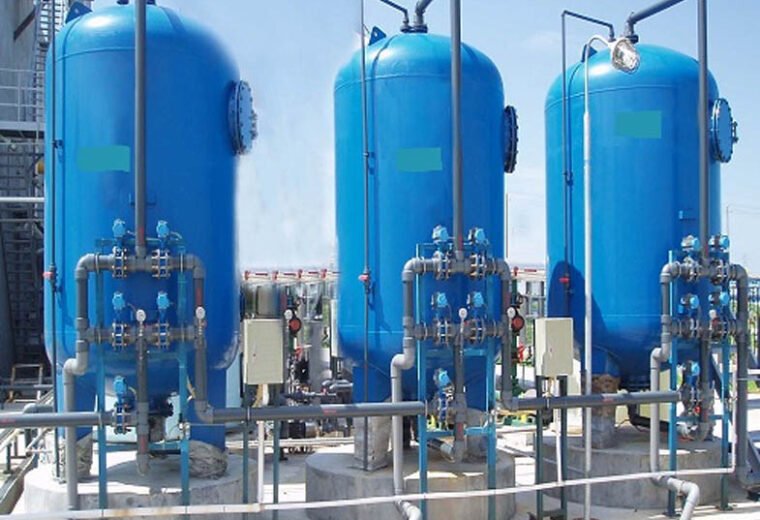
Today’s water filtration systems come in many different forms, and each serves a specific purpose rather than solving every possible water issue.
Activated carbon filters are popular for improving taste and reducing chlorine odors. Reverse osmosis systems offer advanced drinking water purification. Water softeners help minimize mineral buildup caused by hard water, while sediment filters protect plumbing fixtures by capturing small particles before they circulate through the home.
The key isn’t finding the most expensive system available. It’s selecting one that matches your home’s actual water conditions. In many cases, a simple solution performs just as effectively as a far more complicated setup.
That’s another reason why testing should always come first.
Why One Size Rarely Fits Every Home
Water treatment isn’t something that should be copied from a neighbor or recommended solely based on online reviews.
A family using municipal water in a newer neighborhood may have completely different needs than someone living on a rural property with a private well. Plumbing materials, household size, daily water usage, and regional water characteristics all influence which approach makes the most sense.
That’s where customized treatment becomes valuable.
Instead of relying on generic equipment packages, customized treatment focuses on solving the specific challenges identified during testing. This often leads to better performance, lower maintenance costs, and greater long-term satisfaction because the solution actually fits the home’s unique water profile.
It’s a practical approach rather than a one-size-fits-all purchase.
Looking Beyond Visible Problems
One common misconception is that clear water automatically means healthy water.
While appearance certainly matters, many water characteristics remain invisible. Dissolved minerals, naturally occurring substances, and certain contaminants cannot be detected simply by looking at a glass of water.
That doesn’t mean every home has dangerous water. Far from it.
It simply highlights why periodic testing provides valuable peace of mind. Instead of relying on assumptions, homeowners gain reliable information about what’s present and whether any action is actually necessary.
Sometimes the results confirm everything is perfectly fine. Other times, they identify manageable issues before they grow into larger concerns.
Simple Maintenance Makes a Big Difference
Even the best water treatment equipment requires occasional care.
Filters eventually become saturated, softeners need routine servicing, and plumbing fixtures benefit from periodic cleaning. Skipping maintenance doesn’t usually cause immediate problems, but performance gradually declines until homeowners begin noticing familiar issues returning.
Fortunately, routine care doesn’t require much effort.
Replacing cartridges on schedule, cleaning faucet aerators, flushing water heaters annually, and scheduling occasional inspections all help keep water systems performing efficiently.
These small habits often extend the lifespan of appliances while reducing energy consumption and maintenance expenses.
Like changing the oil in a car, regular attention prevents much bigger repairs later.
Better Water Supports Everyday Living
Improving household water affects far more than drinking alone.
Meals often taste fresher because ingredients aren’t competing with excess minerals or chlorine. Coffee and tea develop cleaner flavors. Laundry feels softer, glassware dries with fewer spots, and showers become more comfortable for people with sensitive skin.
Even appliances appreciate better water. Dishwashers, washing machines, ice makers, and water heaters generally operate more efficiently when they’re not constantly dealing with scale buildup or sediment accumulation.
These aren’t dramatic overnight transformations. They’re quiet improvements that homeowners begin appreciating little by little until they realize daily routines simply feel easier.
Final Thoughts
Water is one of those things we depend on every single day without giving it much thought—until something changes. Whether it’s an unusual taste, cloudy glasses, mineral deposits, or inconsistent water pressure, those subtle signs are often invitations to learn a little more about what’s flowing through your home.
The good news is that improving household water doesn’t have to be complicated. A reliable water test, the right treatment approach, and regular maintenance can provide lasting benefits for your plumbing, appliances, and overall comfort.
Rather than chasing quick fixes or assuming every home needs the same equipment, start with understanding your own water. Once you know what’s there, making smart decisions becomes surprisingly straightforward.
In the end, better water isn’t just about cleaner taps. It’s about creating a healthier, more comfortable home where something as simple as pouring a glass of water feels exactly the way it should.