There’s something easy to overlook about water. It’s always there. You pour it into your coffee, rinse vegetables with it, fill the dog’s bowl, and barely give it another thought. Until one day the water smells a little strange, leaves white spots on your dishes, or suddenly your skin feels dry after every shower.
That’s usually when people begin asking questions.
The truth is, not all tap water is the same. Even neighborhoods just a few miles apart can have very different water quality depending on local infrastructure, mineral content, and treatment methods. Finding the right solution isn’t about buying the most expensive filter—it’s about understanding what your home actually needs.
Every Home Has Different Water Challenges
One of the biggest misconceptions about water treatment is believing there’s a universal fix. In reality, water carries different minerals, sediments, and naturally occurring substances depending on where it comes from.
Some homes struggle with hard water that leaves stubborn scale on faucets and appliances. Others deal with chlorine taste, unpleasant odors, or sediment that makes the water appear cloudy after heavy rainfall.
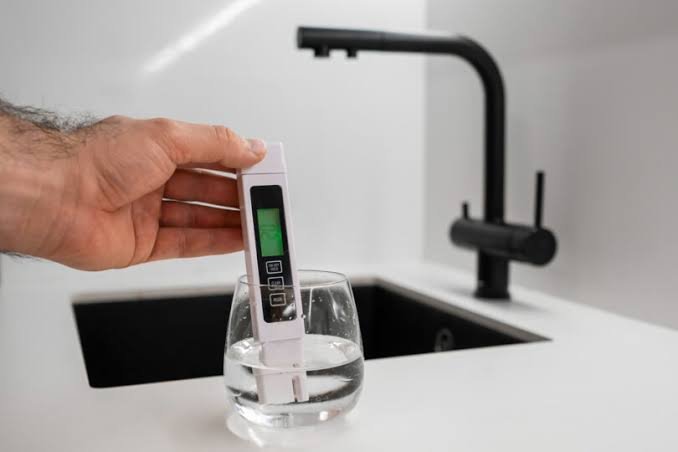
Instead of guessing, many homeowners choose to start with a professional water analysis. Knowing exactly what’s present in your water helps avoid unnecessary purchases while making sure you’re investing in a solution that actually works.
It’s a bit like buying prescription glasses—you wouldn’t pick a random pair and hope for the best.
Water Quality Affects More Than Drinking
People often think water treatment is only about what’s inside a drinking glass. That’s only part of the story.
The water running through your plumbing touches nearly everything in your home. It flows through washing machines, dishwashers, coffee makers, water heaters, and showers. Over time, minerals and contaminants can influence appliance performance, energy efficiency, and even maintenance costs.
When families switch to cleaner healthier water , they frequently notice improvements that extend well beyond hydration. Soap rinses away more easily, laundry feels softer, dishes come out cleaner, and plumbing fixtures often stay in better condition. These little changes add up, making everyday routines noticeably more pleasant without requiring much thought afterward.
Hard Water Quietly Costs More Than You Think
Hard water doesn’t usually announce itself dramatically. Instead, it works slowly.
Mineral deposits begin collecting inside pipes. Water heaters become less efficient because scale creates an insulating layer around heating elements. Showerheads clog. Glassware develops cloudy spots that seem impossible to remove.
None of these issues happen overnight, which is exactly why many homeowners underestimate them.
Installing an appropriate water softening system can help reduce mineral buildup and extend the lifespan of expensive household equipment. While every home is different, preventing damage is almost always less expensive than replacing appliances years earlier than expected.
Better Taste Changes Everyday Habits
People often laugh when someone says they can taste the difference in water. Then they try it themselves.
Removing excess chlorine and unwanted odors can dramatically improve drinking water. Suddenly coffee tastes smoother. Tea develops richer flavors. Even soups and pasta cooked with filtered water seem just a little fresher.
Many families find themselves drinking more water simply because they enjoy it.
That simple improvement often encourages healthier daily habits while reducing dependence on bottled water. After experiencing great-tasting water, it’s surprisingly difficult to go back to the old version without noticing the difference.
Not Every Filter Solves Every Problem
Walk into any home improvement store and you’ll see shelves packed with filters promising amazing results.
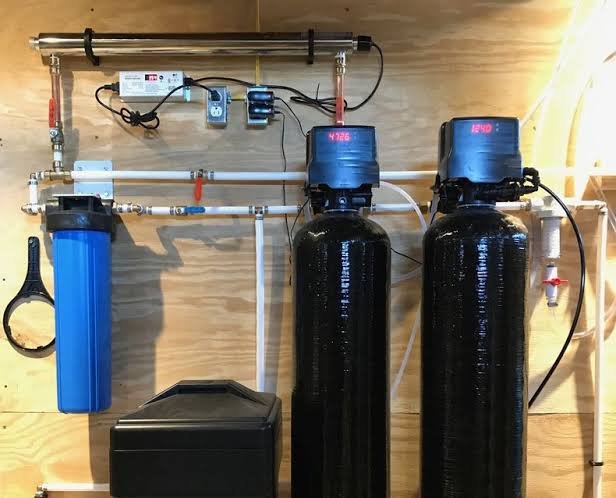
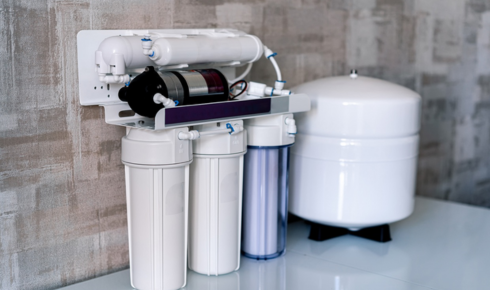
Pitchers, faucet filters, under-sink systems, reverse osmosis units, whole-house filtration systems—it can become overwhelming quickly.
The challenge isn’t finding products.
The challenge is finding the right product.
For example, someone dealing primarily with sediment may need a completely different solution than a household struggling with hard water or chlorine. Choosing equipment without understanding the underlying issue often leads to disappointment.
That’s why professionals usually recommend testing first, then matching equipment to actual water conditions rather than marketing claims.
Technology Has Made Water Treatment Simpler
Years ago, water treatment systems often required constant attention and regular manual adjustments.
Today’s systems are much more user-friendly.
Modern equipment frequently includes smart monitoring, efficient regeneration cycles, longer-lasting filter media, and automated maintenance reminders. Some systems even monitor water usage patterns to improve efficiency while reducing waste.
This means homeowners spend less time worrying about maintenance and more time simply enjoying reliable water throughout the house.
The technology has quietly improved, even if most people haven’t noticed.
Finding a Solution That Fits Your Home
Every family uses water differently.
A retired couple living alone won’t have the same needs as a household with four children constantly running showers, washing clothes, and filling reusable water bottles before school.
That’s one reason many water professionals now recommend customized water treatment options instead of one-size-fits-all packages. A personalized approach considers household size, water usage, plumbing configuration, budget, and local water conditions before recommending equipment.
That usually results in better long-term performance and fewer unnecessary upgrades later.
Thinking Beyond Today
Installing a water treatment system isn’t simply about fixing today’s water problems.
It’s also about protecting tomorrow’s home.
Well-maintained plumbing, longer-lasting appliances, fewer bottled water purchases, and improved household efficiency all contribute to long-term value. Even small improvements made consistently over several years can have a meaningful impact on both convenience and maintenance costs.
Perhaps more importantly, there’s a certain comfort in knowing the water flowing through every faucet has been properly treated for your family’s specific needs.
That peace of mind is difficult to measure, but homeowners often mention it first when discussing why they invested in water treatment.
Final Thoughts
Water is such a familiar part of daily life that we rarely stop to think about its quality until something feels off. Yet the condition of your home’s water quietly affects everything from cooking and cleaning to appliance longevity and everyday comfort.
Rather than chasing trendy products or assuming every filter offers the same benefits, it makes far more sense to begin with understanding your own water. Once you know what’s actually flowing through your pipes, choosing the right treatment becomes much simpler—and much smarter.
Good water isn’t really about perfection. It’s about consistency. When your water tastes better, works better, and supports your home instead of slowly wearing it down, those small improvements become part of everyday life. And honestly, that’s the kind of upgrade you appreciate every single day, even if you stop thinking about it after a while.