There’s something almost invisible about water in a commercial space. It doesn’t demand attention. It doesn’t shout when something’s slightly off. It just flows—until one day, you start noticing little things.
A customer pauses after taking a sip. A staff member mentions that the coffee doesn’t taste the same. Glassware comes out of the wash looking… not quite clean.
Nothing dramatic. But enough to make you wonder.
Water, it turns out, plays a bigger role in your business than you might have ever planned for.
When Small Details Start Adding Up
In most businesses—restaurants, cafés, hotels, even offices—water is part of the daily rhythm. It’s used in food prep, beverages, cleaning, equipment, and more.
And because it’s always there, it’s easy to assume it’s fine.
But over time, subtle issues begin to surface. Mineral buildup on equipment. Slight changes in taste. Increased maintenance needs. These things don’t happen overnight, and they don’t always point clearly to water quality.
Still, they’re connected.
That’s often when business owners start exploring a water filtration company, not because something has failed, but because something doesn’t feel quite right anymore.
The Hidden Impact on Equipment and Efficiency
Water quality doesn’t just affect taste—it affects how your equipment performs.
Hard water, for example, can leave behind mineral deposits that build up inside machines. Coffee makers, dishwashers, steam equipment—they all feel the strain over time. Efficiency drops, maintenance increases, and suddenly, small issues become recurring expenses.
It’s easy to overlook at first. You clean more often. You service equipment a bit sooner. But eventually, the pattern becomes clear.
The water you’re using is influencing more than just the surface-level experience.
Why Businesses Rely on Better Systems
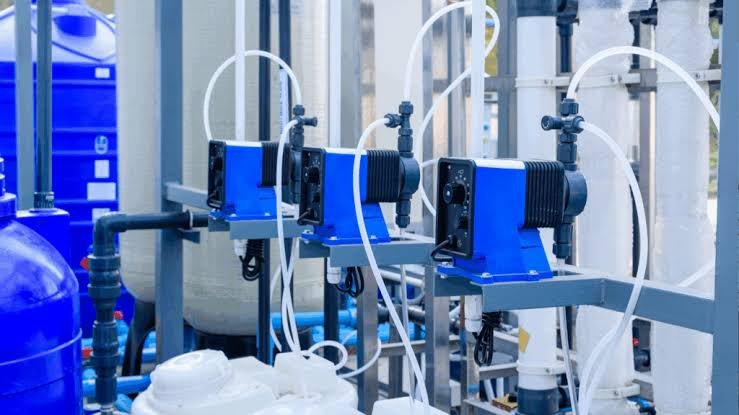
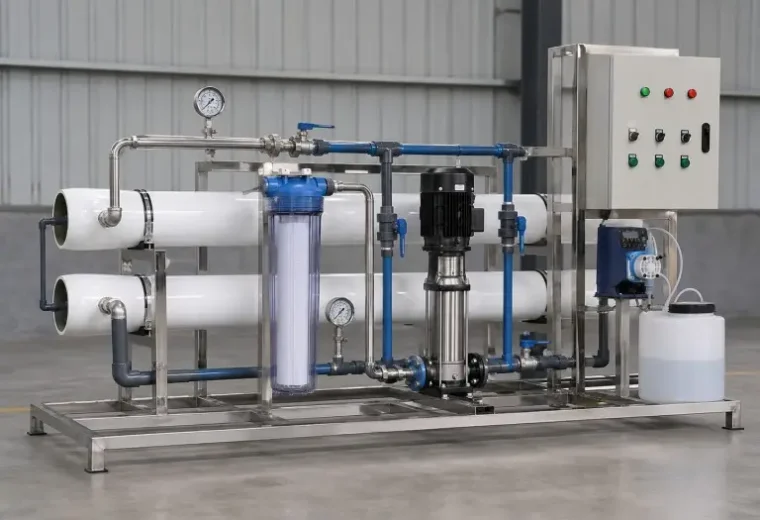
This is where commercial water systems come into the picture. Not as an upgrade for the sake of it, but as a practical step toward consistency.
A well-designed system doesn’t just filter impurities—it stabilizes your operations. It ensures that the water you use today behaves the same way tomorrow, and the day after that.
That consistency is what businesses thrive on.
When your inputs are stable, your outputs become reliable. Whether it’s the taste of your coffee or the cleanliness of your dishes, everything starts to align.
The Customer Experience You Can’t Measure Easily
Here’s something interesting—customers don’t always point out water quality directly.
They don’t walk in and say, “Your filtration system is excellent.”
But they notice the results.
They notice when a drink tastes better than expected. When the presentation feels clean and polished. When everything seems consistent, visit after visit.
These small impressions build trust. And trust, in business, is everything.
Finding the Right Approach Without Overthinking It
Not every business needs the same setup. A café has different priorities compared to a hotel. A manufacturing unit has different requirements than a small office.
That’s why there’s no universal solution.
The key is to understand your own operations—where water plays the biggest role, what issues you’re noticing, and what outcomes matter most to you.
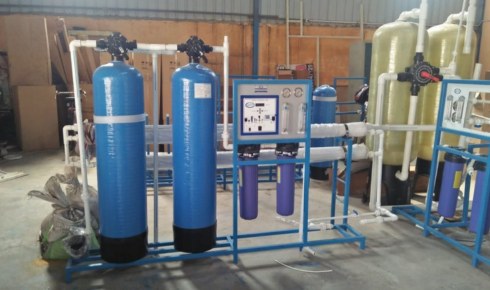
This is where tailored filtration solutions become valuable. They’re not about adding complexity; they’re about simplifying your workflow by addressing the root cause of recurring issues.
And often, the best solutions are the ones that integrate quietly into your existing setup.
Maintenance: The Step That Keeps Everything Working
There’s a common misconception that once you install a filtration system, the job is done.
In reality, maintenance is part of the process.
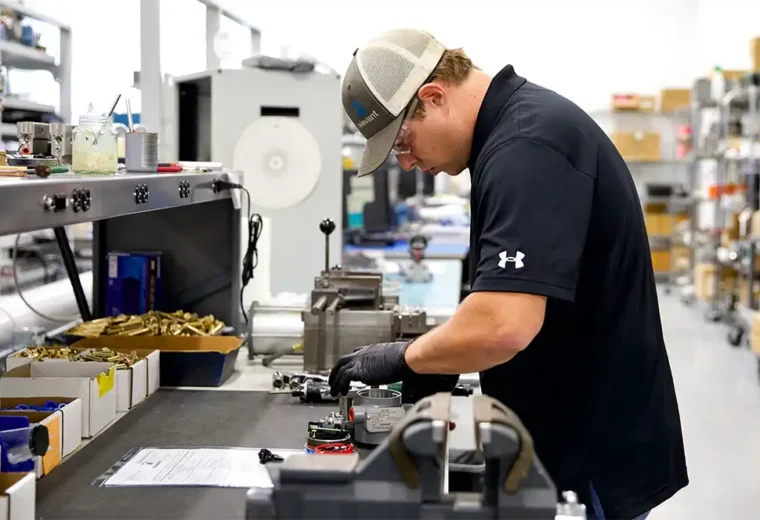
Filters need to be replaced. Systems need occasional checks. It’s not complicated, but it’s essential. Skipping maintenance doesn’t cause immediate failure—it just reduces effectiveness over time.
And before you know it, those old issues start creeping back.
A little consistency here makes a big difference in the long run.
Thinking Beyond the Immediate Fix
Improving water quality isn’t just about solving a current problem. It’s about creating a more stable environment for your business.
Better water leads to fewer disruptions, improved efficiency, and more predictable outcomes. It helps protect your equipment, reduce operational stress, and maintain the standards your customers expect.
It’s a long-term investment, even if the benefits feel subtle at first.
A Final Thought
Water is one of those things that quietly supports everything in a commercial setting. It doesn’t stand out or demand recognition. It just works—until it doesn’t.
And when it starts affecting your business, even in small ways, it’s worth paying attention.
Because sometimes, the difference between “good” and “consistently great” comes down to details that are easy to overlook.
And more often than not, it starts with the water flowing through your space every single day.