There’s a strange thing about water—you don’t really think about it until something feels slightly off.
Not bad, not unsafe… just not quite right.
Maybe your coffee tastes a little flat. Maybe your shower leaves your skin feeling a bit dry. Or your dishes don’t come out as clear as they used to. These are small things, easy to ignore at first.
But over time, they start to add up. And once you notice them, it’s hard to go back to not noticing.
The First Step Isn’t Fixing—It’s Understanding
When water feels off, the instinct is to fix it quickly. Try a filter, change a detergent, clean things more often.
But here’s the truth—without understanding what’s actually happening, those fixes can feel temporary.
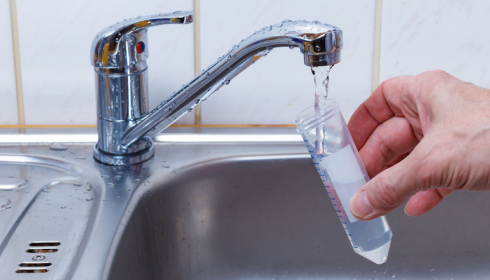
That’s where a free water analysis becomes incredibly useful. It’s not about adding complexity; it’s about clarity.
Instead of guessing, you get real insight into what’s in your water. Minerals, trace elements, subtle imbalances—all the things you can’t see but can definitely feel in your daily routine.
Sometimes the results confirm what you suspected. Other times, they reveal something unexpected.
Either way, it gives you a solid starting point.
Why Water Changes Over Time
Water isn’t static. It changes based on source, season, and even how it travels through pipes before reaching your home.
That’s why something that felt fine a year ago might feel slightly different today.
These changes are usually small, but they’re consistent. And consistency is what makes them noticeable.
A bit more residue here. A bit less efficiency there. A gradual shift that quietly affects how your home functions.
The Role of Ongoing Care
Once you improve your water, something interesting happens—you start expecting it to stay that way.
That’s where maintenance plans come into the picture.
Water systems aren’t “set and forget.” Filters wear down. Performance shifts. Small inefficiencies creep in over time.
Maintenance isn’t about fixing problems—it’s about preventing them from showing up in the first place.
It’s a quiet kind of care, the kind that keeps everything running smoothly without demanding attention.
Why One Size Doesn’t Fit All
Every home is different. Every water source has its own characteristics. What works perfectly for one household might not be necessary for another.
That’s why custom solutions matter.
Instead of applying a generic fix, the goal is to address your specific situation. Maybe it’s improving taste. Maybe it’s reducing buildup. Maybe it’s creating a more balanced feel across your entire home.
The best solutions don’t feel forced. They feel natural—like your water is finally working the way it should.
The Subtle Impact on Daily Life
Water touches everything.
It’s in your morning coffee, shaping the flavor more than you might expect. It’s in your shower, affecting how your skin feels. It’s in your laundry, influencing how your clothes come out.
When water is balanced, everything feels easier. You don’t think about it.
But when it’s slightly off, those small differences start to show up everywhere.
Not enough to disrupt your day—but enough to make things feel less smooth.
Paying Attention to the Details
The most valuable thing you can do is pay attention.
Notice how your water tastes. How it feels. How it behaves in your home. These small observations are more important than any technical detail.
They tell you what’s working—and what isn’t.
And once you understand that, the next steps become clearer.
A Change That Builds Over Time
Improving your water isn’t something you notice all at once.
There’s no big reveal moment. No dramatic before-and-after. Instead, it’s gradual.
Your water tastes better. Your routines feel smoother. Your home feels just a bit more comfortable.
And then, after a while, it becomes normal.
You stop thinking about it—because everything is working the way it should.
A Final Thought, Just to Sit With
Water is one of those things we rely on constantly, yet rarely question.
But when you start paying attention—even just a little—you realize how much it shapes your daily experience.
Not in big, obvious ways. In small, consistent ones.
And sometimes, all it takes is a bit of understanding—and the right approach—to make those small improvements feel meaningful.