There’s a kind of trust we place in water without realizing it. You turn the tap, fill a glass, drink without hesitation. It’s one of those everyday acts that feels too ordinary to question.
But then something changes. Maybe it’s a slight aftertaste. Maybe your tea doesn’t taste quite as good anymore. Or you just find yourself reaching for bottled water more often, without really knowing why.
It’s subtle. But it’s enough to make you pause.
When You Start Noticing the Little Things
Water doesn’t usually wave a red flag when something’s off. It whispers instead.
A faint smell. A dull flavor. That cloudy look in a glass that should be crystal clear. These are the kinds of details most people brush aside at first. Life’s busy, after all.
But over time, those small details start to add up. And once you notice them consistently, it becomes harder to ignore the feeling that something isn’t quite right.
That’s where curiosity kicks in—not fear, just a simple question: “Could this be better?”
Taking Back Control of What You Drink
For many households, that question leads to exploring drinking water systems. Not because something is dangerously wrong, but because people want a little more certainty in something they use every day.
These systems are typically focused on the water you consume directly—what goes into your glass, your cooking, your morning coffee. And the difference, while subtle, is often immediate.
Water tastes cleaner. Fresher. You stop second-guessing it.
It’s a small change, but one that quietly builds confidence over time.
The Role of Filtration in Everyday Life
Beyond drinking, water interacts with almost everything in your home. And sometimes, improving it isn’t just about taste—it’s about removing the elements that affect clarity and consistency.
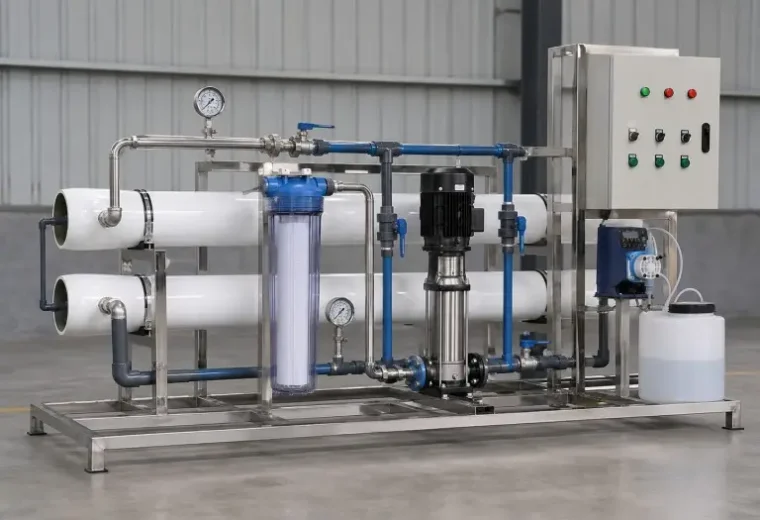
That’s where filtration systems come in. They’re designed to catch what you don’t see—sediments, particles, and other unwanted components that can slip through standard supply lines.
The result isn’t just cleaner water. It’s water that behaves better. Dishes come out clearer. Surfaces stay cleaner. Even the simple act of washing your hands feels slightly different—more comfortable, somehow.
It’s not a dramatic shift. But it’s noticeable in all the right ways.
Understanding What Your Water Actually Needs
Here’s where things get a bit more nuanced. Not every home has the same water issues. And that’s where people sometimes get stuck—trying to apply a solution that doesn’t quite fit.
Water varies depending on location, infrastructure, and even the age of your plumbing. Some areas deal with mineral-heavy water. Others might have chlorine or sediment concerns.
This is why a more tailored approach to water treatment makes sense. Instead of guessing, you focus on what your water actually needs. It’s less about following trends and more about solving your specific situation.
And once you do that, everything else becomes easier.
The Unexpected Benefits That Follow
What surprises people most isn’t the immediate improvement—it’s the ripple effect.
Better water often leads to better habits. You might drink more simply because it tastes better. Cleaning becomes less of a chore. Even your appliances can benefit, running more efficiently over time.
It’s not something you actively think about every day. But it quietly improves how your home functions.
And that’s what makes it valuable.
Finding What Works Without Overthinking It
One of the biggest mistakes people make is assuming they need the most advanced system available. In reality, simpler solutions often work just as well—sometimes better.
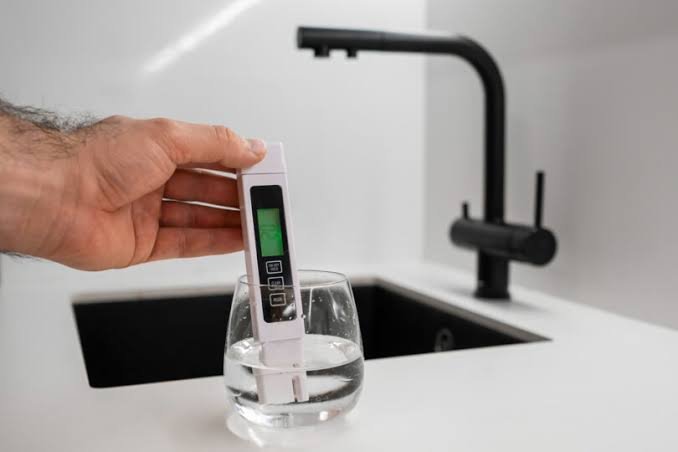
The key is to start with awareness. Pay attention to what you’re experiencing. Taste your water. Notice how it behaves in daily use.
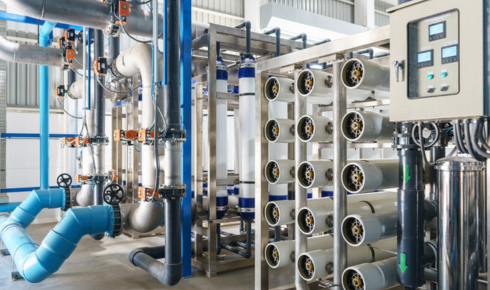
From there, the right choice usually becomes clear. Whether it’s a basic filter or a more comprehensive setup, the goal is the same: water that feels right for your home.
A Small Change That Stays With You
Water is one of those things we interact with constantly, yet rarely think about. But once you start paying attention, it changes how you see it.
You don’t need to overhaul everything overnight. Just notice. Observe.
Because sometimes, the simplest improvements—the ones that quietly run in the background—end up making the biggest difference.
A Final Thought
At the end of the day, water isn’t just something you use. It’s something you experience, every single day.
And when that experience improves—even slightly—it has a way of making everything else feel just a bit more balanced, more comfortable, more… right.