Most homeowners don’t spend much time thinking about their roofs. If the rooms stay dry, the heating works, and rain runs off without a problem, it’s easy to assume everything is fine. Then a heavy storm rolls through, a patch of ceiling starts to stain, or a few shingles appear in the yard. Suddenly, the roof becomes the most important part of the house.
The truth is that roofing problems often develop gradually. A small opening, a blocked gutter, or a loose piece of flashing may go unnoticed for months before it causes visible damage. Regular attention won’t prevent every problem, but it can help homeowners spot warning signs early and make sensible decisions before repair costs grow.
Why Routine Roof Care Matters
A roof is constantly exposed to changing weather. Sunlight can dry and age roofing materials, wind can loosen shingles, and rain may find its way through small gaps around roof edges or vents. In colder climates, repeated freezing and thawing can place additional stress on vulnerable areas. Even a roof that looks sound from the street can have hidden weaknesses.
Simple maintenance checks can help identify issues before they become disruptive. Look for missing or curling shingles from the ground, check whether gutters are overflowing during rain, and pay attention to stains on ceilings or upper walls. If you notice loose flashing, sagging roof edges, or debris collecting in the same place, it may be time to arrange a professional inspection.
Safety should always come first. Don’t climb onto a wet roof or use a ladder in windy conditions. Some roofing materials become fragile with age, and a section that looks sturdy may not safely support someone’s weight. Homeowners can notice warning signs without carrying out risky repairs themselves.
Pay Attention to Where Water Collects
Water is one of the biggest challenges a roof must manage. A well-designed roof directs rain toward gutters and downspouts, carrying it away from the building. But when debris blocks drainage or roofing materials deteriorate, water can linger where it shouldn’t.
Roof valleys deserve particular attention because they collect water from two adjoining roof slopes and guide it toward the drainage system. Leaves, twigs, and other debris can accumulate in these channels, especially beneath nearby trees. If the valley’s protective materials become damaged, water may seep beneath the roof covering and reach the underlying structure.
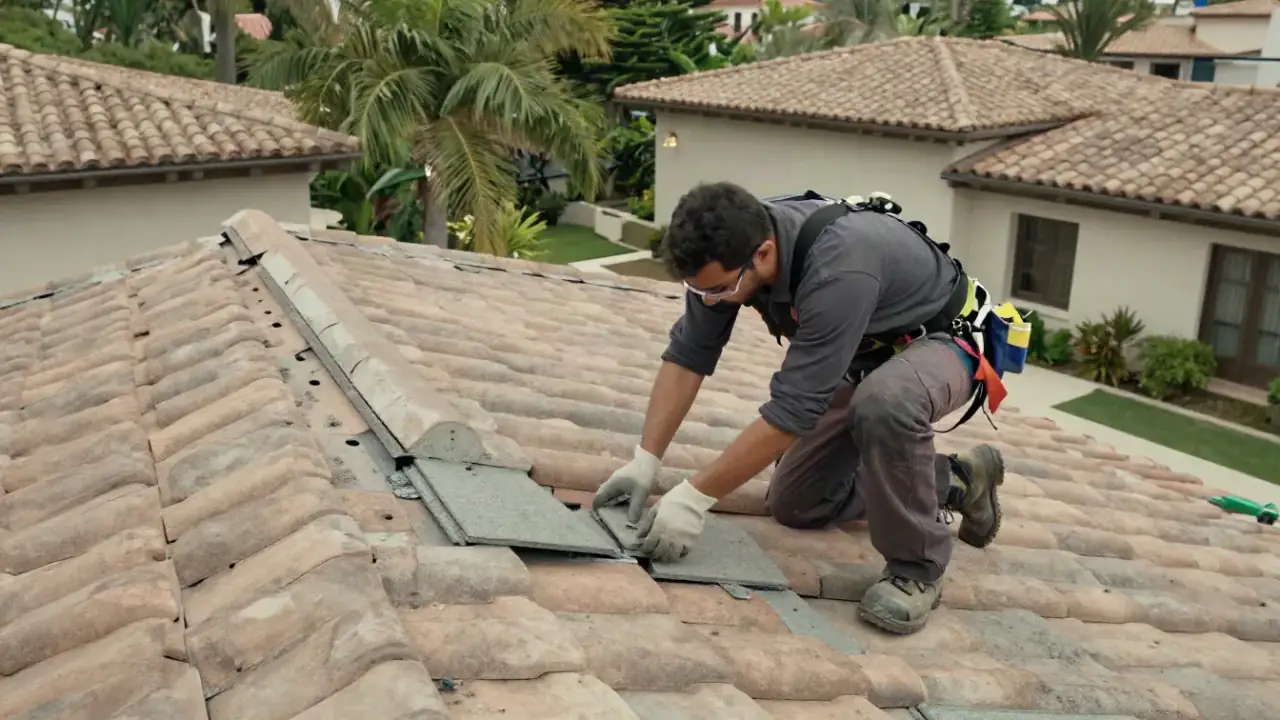
Professional roof valley repairs may involve clearing debris, replacing damaged shingles, correcting flashing problems, or repairing the valley’s waterproofing components. The right approach depends on the roof design and the condition of the materials. Simply applying sealant over a damaged area may provide only temporary relief if the underlying issue remains.
Homeowners should also check the condition of gutters and downspouts. Water spilling over the gutter edge can soak siding, damage landscaping, and collect near the foundation. If the same gutter repeatedly overflows, the cause might be a blockage, poor slope, an undersized drainage system, or a damaged section that needs attention.
Understanding the Warning Signs
Not every roofing issue starts with a dramatic leak. Sometimes the first indication is a small change that seems easy to dismiss. Shingles may begin to curl at the edges, granules may collect in gutters, or flashing around a chimney may pull away slightly. Inside the home, a musty odor or peeling paint near the ceiling can indicate moisture.
After severe weather, inspect the property from a safe location. Fallen branches, loose roofing pieces, damaged gutters, and marks on exterior walls can all be clues. If you find signs of roof damage, document them with photographs and arrange an assessment when necessary. Don’t assume that a roof is unaffected simply because no water has entered the living space yet.
Water can travel along roof decking or structural components before it becomes visible indoors. By the time a ceiling stain appears, moisture may have affected insulation or timber behind the surface. That doesn’t automatically mean the damage is extensive, but it does mean the source should be investigated rather than covered with paint.
If you notice a sagging ceiling, a major impact from a fallen tree, or water near electrical fixtures, keep people away from the affected area and seek appropriate professional help. These situations can present hazards beyond ordinary roofing maintenance.
Knowing When to Call a Professional
Some tasks, such as observing the roof from the ground or keeping a record of previous repairs, are straightforward. Others require specialist knowledge. Finding the source of a leak, replacing flashing, repairing damaged decking, or working near steep roof edges can be difficult and dangerous without the right training and equipment.
A qualified roofer can assess the roof’s overall condition, identify vulnerable areas, and explain which repairs are necessary. Ask for a written estimate that outlines the proposed work, materials, labor, and expected timeline. If the contractor recommends replacing the entire roof, ask what evidence supports that recommendation and whether a localized repair is a reasonable alternative.
It’s perfectly sensible to compare estimates, particularly when the work is expensive. However, don’t focus on price alone. A quote that excludes important materials or cleanup may end up costing more than expected. Check the contractor’s credentials, insurance, references, and warranty terms before signing an agreement.
Budgeting for Repairs Without Guesswork
Roofing expenses are easier to manage when you understand the condition of your roof before an urgent problem develops. If an inspection identifies aging materials or a small area of deterioration, you may have time to plan the work rather than arranging an emergency repair during bad weather.
Keep records of previous inspections, repairs, and warranties. This history helps contractors understand recurring problems and can make it easier to track how the roof changes over time. It also prevents you from paying twice for work that was supposed to solve the same issue.
If damage follows a storm or another sudden event, photograph the affected areas and contact your insurer to ask about the claims process. Coverage depends on the policy, the cause of the damage, exclusions, and deductible. Save inspection reports, estimates, receipts, and communications, and ask whether an insurance adjuster needs to inspect the property before permanent repairs begin.
Small Habits Make a Real Difference
A roof doesn’t need constant attention, but it does benefit from sensible care. Keep nearby branches trimmed, maintain clear drainage paths, and look for changes after significant storms. If your home is surrounded by trees, gutters may need cleaning more frequently than those on a property with fewer overhanging branches. Local weather and the roof’s age also influence how often professional inspections are worthwhile.
The important thing is to respond to problems while they are still manageable. A loose shingle or blocked gutter may seem like a minor inconvenience, yet ignoring it can expose other parts of the home to water and weather.
Taking care of a roof is really about protecting everything underneath it. With regular observation, timely professional advice, and repairs based on clear evidence, homeowners can extend the useful life of their roofing system and reduce unpleasant surprises. A little attention now can make the next rainy season much less stressful.