Most people don’t give their plumbing much thought when everything works as it should. The taps run, the shower has decent pressure, and the water heater quietly does its job in the background. It’s only when something starts leaking or a fixture stops working that plumbing suddenly moves to the top of the household to-do list.
But a reliable plumbing system depends on more than fixing problems when they appear. Regular inspections, appropriate testing, and timely maintenance can help prevent water damage, reduce waste, and keep essential equipment working safely.
This is especially important for plumbing components that protect water quality or operate under pressure. A small fault may not be obvious at first, yet leaving it unresolved can lead to bigger problems later. Knowing what to check and when to bring in a qualified professional can make home maintenance a lot less stressful.
Why Routine Plumbing Inspections Matter
Plumbing systems experience wear over time. Seals deteriorate, connections loosen, mineral deposits build up, and moving parts gradually become less reliable. These changes don’t always cause an immediate breakdown, which is why occasional inspections are worthwhile.
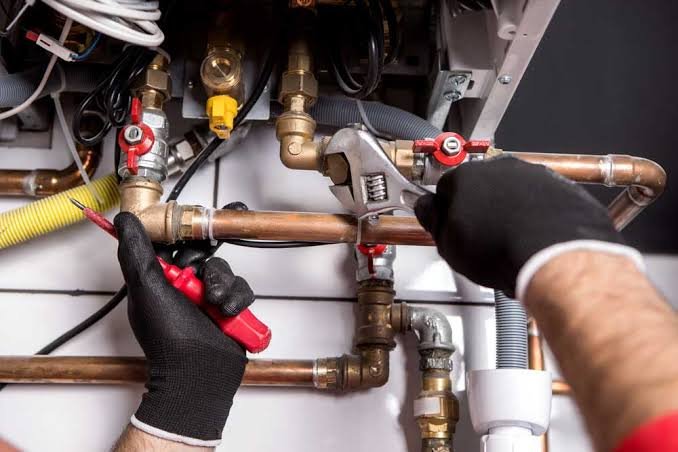
A basic inspection may involve checking visible pipes for corrosion, looking beneath sinks for dampness, examining toilet connections, and checking appliances for signs of leakage. Water pressure and drainage performance can also provide useful clues about the condition of the system.
Pay attention to changes rather than waiting for a dramatic failure. A tap that begins dripping, a drain that repeatedly slows down, or a water bill that rises unexpectedly may indicate an issue worth investigating.
Some plumbing components need more specialised attention. Backflow prevention assemblies, for example, help protect drinking water from contamination caused by reverse flow. Their condition cannot always be established by looking at them, and certain installations require periodic testing under local rules.
Routine maintenance isn’t about replacing everything that looks old. It’s about understanding what condition your plumbing is in, identifying genuine risks, and addressing them before they become expensive emergencies.
When Professional Testing Is Necessary
Not every plumbing component can be checked effectively with a quick visual inspection. Devices that rely on valves, pressure differences, or internal seals may need specialised equipment to confirm they’re working properly.
This is where certified testing becomes important. Depending on the system and local requirements, a suitably qualified professional may perform pressure measurements, functional checks, or other prescribed tests to establish whether equipment meets the required performance standards.
Backflow prevention devices are a good example. A unit may look intact from the outside but still fail to protect the water supply because an internal component is worn or damaged. Testing can reveal problems that might otherwise go unnoticed.
Testing may also be relevant when a plumbing system has been altered, equipment has been replaced, or a water supplier requires documentation. Requirements differ by location and installation type, so homeowners should confirm which rules apply to their property.
Before arranging a test, ask the provider about their qualifications, the procedure they will follow, and whether they can supply a written report. If the equipment fails, you should receive a clear explanation of the issue and the steps needed to restore proper operation.
Good testing provides useful information, not just a piece of paper. It helps homeowners make informed decisions about maintenance and repairs.
Choosing Repairs That Actually Solve the Problem
When a plumbing issue appears, the quickest solution isn’t always the most effective one. A dripping connection might need a replacement seal, while a leak caused by widespread pipe corrosion could signal a much larger concern.
The goal is to identify the cause before deciding what work is necessary. If a drain keeps blocking, for instance, repeatedly clearing the obstruction may provide temporary relief without resolving the underlying problem. A camera inspection might reveal a buildup of debris, tree roots, or damage inside the pipe.
Likewise, replacing a single worn valve can make sense when the surrounding equipment is in good condition. But if several components are deteriorating, repairing them one at a time may become costly.
A qualified plumber should explain the available options, including their likely lifespan, cost, and limitations. Ask whether the repair addresses the root cause or simply reduces the symptoms for now.
It’s also sensible to understand what isn’t included in an estimate. The price of repairing a leaking pipe may not cover repainting a wall, replacing damaged flooring, or drying materials affected by water.
Clear communication at the beginning helps avoid unpleasant surprises when the work is finished.
Why Right-Sized Repairs Can Save Money
Homeowners sometimes feel caught between two extremes: paying for another temporary fix or agreeing to a major replacement they may not need. In many cases, there is a more balanced approach.
Right-sized repairs focus on the actual condition of the plumbing rather than automatically choosing the cheapest option or the most extensive one.
Suppose a pipe connection beneath a bathroom sink has started leaking. If the fitting is damaged but the surrounding pipes are sound, replacing that component may be entirely reasonable. Replacing every pipe in the bathroom would add cost and disruption without necessarily providing additional value.
Now consider a different situation: an older property has experienced several leaks in different rooms, and an inspection reveals widespread corrosion. In that case, repeated small repairs may cost more over time than replacing the affected pipework.
The distinction comes down to evidence. The age of a plumbing system matters, but age alone doesn’t prove that everything needs replacing. Equally, a pipe that still carries water isn’t necessarily in good condition.
Ask for photographs where practical, a clear explanation of the findings, and an estimate for the recommended work. If the proposed project is expensive, a second opinion can help you decide with confidence.
Understanding Compliance Without the Confusion
Plumbing regulations exist for good reasons. They help protect drinking water, ensure installations operate safely, and establish standards for certain types of work.
However, the rules aren’t identical everywhere. Requirements may vary according to local building codes, water supplier policies, the type of property, and the equipment installed.
For homeowners, compliance means understanding which requirements apply and making sure relevant work is completed and documented appropriately. Backflow prevention equipment may need periodic testing, while some plumbing alterations may require permits or inspection.
If you’re installing an irrigation system, modifying a water connection, or replacing a specialised valve assembly, ask your plumber whether approvals, testing, or reporting are necessary.
Keep records of significant repairs, equipment specifications, inspection reports, and warranties. These documents can help when arranging future maintenance, selling a property, or responding to a request from a water supplier.
Don’t rely solely on a contractor’s verbal assurance that everything meets the rules. Ask what standards apply and request documentation when it is required.
Simple Habits That Keep Plumbing in Better Shape
Professional maintenance is valuable, but everyday habits matter as well. Check beneath sinks occasionally, watch for corrosion on exposed pipes, and investigate unusual water usage before it becomes a long-term expense.
Avoid pouring cooking grease down drains, and use suitable strainers to catch hair and food scraps. Fix dripping taps promptly, and pay attention to toilets that continue running after flushing.
Know where your main water shut-off valve is located. If a pipe bursts, turning off the supply quickly can limit damage. If water is near electrical equipment, stay clear of the hazard and seek appropriate professional assistance.
For properties with specialised plumbing equipment, follow the manufacturer’s maintenance recommendations and any local testing schedule. Don’t dismantle safety devices or attempt adjustments that require specialist training.
These small steps won’t prevent every plumbing fault, but they can make problems easier to identify and manage.
A Practical Approach to Long-Term Plumbing Care
A dependable plumbing system doesn’t require constant attention, just sensible maintenance and a willingness to act when something changes. Inspections help identify developing problems, testing confirms whether specialised equipment works correctly, and well-planned repairs prevent minor faults from turning into recurring expenses.
The most effective approach is neither to ignore every small warning nor to replace equipment unnecessarily. Find out what’s wrong, understand the available options, and choose work that suits the condition of your home.
With a qualified professional, clear documentation, and a little routine attention, you can keep your plumbing safer and more reliable for years to come.