Water plays a much bigger role in business operations than most people realize. In an office, it might simply mean drinking water and restroom use. In a restaurant, hotel, healthcare facility, or manufacturing plant, water can be involved in cleaning, heating, cooking, production, and equipment operation.
When water quality causes trouble, the effects can spread quickly. Mineral buildup can damage equipment, sediment can restrict flow, and poor water quality may affect the taste of beverages or the performance of important appliances. The good news is that the right treatment system can make these problems much easier to manage.
Start With the Water, Not the Equipment
It’s tempting to start by looking at products. There are softeners, filters, reverse osmosis units, carbon systems, and plenty of other options. But choosing equipment before understanding the water is a bit like buying medicine without knowing what’s wrong.
Water testing should come first.
A proper assessment can identify hardness, sediment, dissolved minerals, pH, and other characteristics that may affect your business. Your water source matters, too. Municipal water and private well water can have very different treatment requirements.
Once the actual water conditions are understood, choosing equipment becomes much more straightforward.
When Commercial Water Softeners Make Sense
Hard water is common in many areas, and businesses can feel its effects more strongly than households simply because commercial equipment often uses much larger volumes of water.
Commercial Water Softeners are designed to reduce hardness minerals such as calcium and magnesium. This can help limit scale buildup in water heaters, dishwashers, boilers, laundry equipment, and plumbing.
For a restaurant, that might mean less scale around dishwashing equipment. For a hotel, it could help protect showers and laundry systems. In a manufacturing environment, reducing hardness may be important for specific processes.
Of course, a softener isn’t a universal water-treatment solution. It addresses hardness, not every possible contaminant. That distinction matters when planning a commercial system.
Reverse Osmosis for More Demanding Water Needs
Some businesses need more than softened water. They may require water with fewer dissolved solids for a particular process or application.
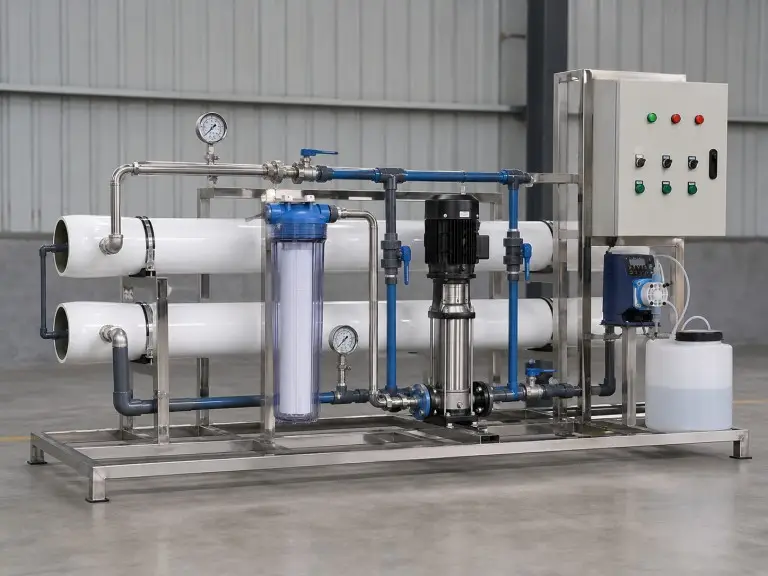
That’s where Commercial Reverse Osmosis Systems can become useful. Reverse osmosis uses a semi-permeable membrane to reduce a range of dissolved substances from water.
Restaurants may use reverse osmosis for beverage preparation, coffee, or specialized cooking applications. Other businesses may need it for production processes where water quality has a direct impact on the final product.
RO systems do require attention, though. Membranes and pre-filters need maintenance, and the system should be correctly sized for the expected flow and demand.
Filtration Handles Different Concerns
Not every water problem involves dissolved minerals. Sometimes the issue is particles, sediment, chlorine, taste, odor, or another specific characteristic.
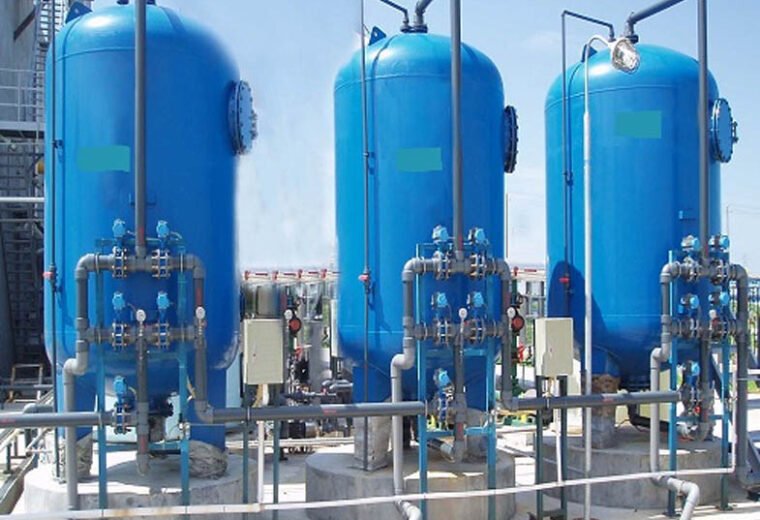
Filtration Systems can be designed to address different water-quality concerns depending on the media and configuration used.
Sediment filters, for example, can capture particles before they reach sensitive equipment. Carbon filtration may help reduce certain tastes and odors. Specialized media can target other water characteristics.
The important part is matching the filter to the problem. A filter designed for sediment shouldn’t be expected to solve a completely unrelated chemical issue.
Protecting Expensive Equipment
Commercial water treatment isn’t just about making water taste better.
Water quality can directly affect expensive equipment. Scale can accumulate inside heating systems and reduce efficiency. Sediment can interfere with valves and pumps. Certain minerals may create deposits that require frequent cleaning.
Over time, these issues can lead to increased maintenance costs and unexpected downtime.
A well-planned treatment system can act as a form of equipment protection. It won’t eliminate every maintenance requirement, but it may help reduce problems caused by unfavorable water conditions.
For businesses, that’s a practical benefit.
Think About Peak Water Demand
One of the biggest differences between residential and commercial treatment is water volume.
A business may use relatively little water during quiet periods and then experience a dramatic increase during busy hours. Restaurants, hotels, laundries, and manufacturing facilities are good examples.
A system needs to handle those peak periods without becoming a bottleneck.
When selecting equipment, consider flow rates, daily usage, operating hours, regeneration requirements, storage capacity, and future growth. A system that works today may struggle if the business expands significantly next year.
Planning ahead can save you from replacing equipment too soon.
Maintenance Isn’t Optional
Even the best treatment system eventually needs attention.
Filters become loaded. RO membranes need replacement. Softeners require salt and servicing. Valves, pumps, tanks, and controls should be inspected as recommended.
Neglecting these tasks can gradually reduce performance. Sometimes the warning signs are obvious. Other times, the system simply becomes less effective without anyone noticing right away.
Create a maintenance schedule and keep records of filter changes, service visits, water tests, and repairs. For a commercial property, assigning responsibility for these tasks can prevent them from being forgotten.
Consider the Long-Term Cost
The cheapest system isn’t always the least expensive choice.
Look beyond the initial purchase price. Consider replacement filters, electricity, water consumption, treatment chemicals or salt, routine servicing, and expected equipment life.
A system that costs slightly more upfront but operates efficiently and lasts longer may provide better value.
Ask potential providers to explain the ongoing costs clearly. You should know what the system will need after installation, not just what it costs to put in place.
Professional Assessment Can Save Time
Commercial water treatment can become complicated quickly, especially when several water-quality problems exist at the same time.
A professional assessment can bring together water testing, equipment requirements, flow rates, plumbing configuration, and maintenance needs. That broader approach is often more useful than trying to solve each symptom separately.
It also gives business owners an opportunity to ask practical questions: What happens during high demand? How often will the system need service? What parts need replacement? What happens if water quality changes?
Good answers should be understandable, not buried in technical jargon.
The Right System Should Make Business Easier
Water treatment is rarely the most exciting investment a business makes. Still, it can have a meaningful effect on daily operations.
The goal isn’t to install the biggest or most complicated system available. It’s to choose equipment that fits the water, the building, the workload, and the business itself.
Test first. Understand the problem. Choose treatment based on actual needs, and don’t forget about maintenance after installation.
When those pieces come together, water treatment becomes less of a recurring headache and more of a quiet part of the infrastructure — doing its job in the background while you concentrate on running the business.