Water Quality Can Shape Daily Operations
In a busy commercial facility, water is often working in the background all day long. It may be used for cleaning, production, cooling, food preparation, sanitation, employee facilities, or specialized equipment. Because it is so routine, water quality can be easy to overlook.
That changes quickly when something goes wrong.
Mineral buildup, sediment, unpleasant odors, or inconsistent water quality can create maintenance headaches and interfere with equipment performance. In some businesses, even a short interruption can mean lost time, unhappy customers, or unnecessary expenses.
A thoughtful water treatment strategy helps businesses stay ahead of those problems rather than waiting for them to become emergencies.
Every Facility Has Its Own Requirements
A hotel, restaurant, healthcare facility, office building, and manufacturing plant may all use water differently. Even two businesses operating in similar buildings can have completely different treatment needs.
Water source, daily consumption, plumbing design, equipment type, operating hours, and local water characteristics all play a role.
This is why precision-engineered solutions can be valuable for commercial facilities. Instead of choosing equipment simply because it is popular or heavily advertised, businesses can select treatment technology according to actual water conditions and operational demands.
That approach makes sense financially, too. There is little value in paying for treatment features that a facility doesn’t really need.
Start With Testing and Assessment
Before choosing commercial water treatment equipment, it is worth understanding the water itself.
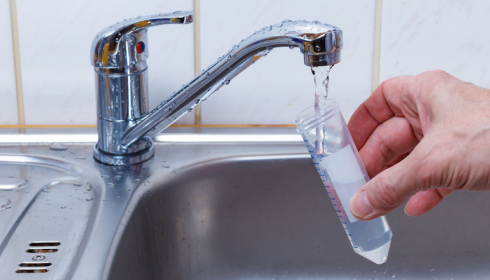
Testing can provide information about hardness, sediment, chlorine, iron, pH, dissolved substances, and other characteristics, depending on the type of analysis performed. The results can then guide the selection of appropriate treatment technology.
A professional assessment should also consider how much water the facility uses and where it is being used.
For example, a restaurant may have different priorities for kitchen equipment than an office building has for drinking stations and restrooms. A manufacturing facility could have highly specific requirements tied to its production process.
Good treatment starts with good information.
Customized Systems Can Solve Specific Problems
Commercial facilities rarely benefit from a one-size-fits-all approach. A system that works beautifully in one building may be poorly suited to another.
Water treatment equipment should be customized for your facility based on factors such as flow rate, water demand, available installation space, existing plumbing, and treatment goals.
Customization doesn’t necessarily mean making the system complicated. Sometimes it means choosing a simpler setup because that’s all the facility needs. In other situations, several treatment stages may be appropriate.
The point is to create a system that fits the building rather than forcing the building to adapt to the equipment.
Protecting Expensive Equipment
Water quality can have a direct relationship with equipment maintenance.
Hard water, for instance, can cause mineral scale inside boilers, water heaters, dishwashers, coffee machines, cooling systems, and other water-dependent equipment. Sediment can also create problems in valves, pipes, and mechanical components.
These issues don’t always appear overnight. More often, they build slowly. Efficiency drops a little. Cleaning takes longer. Repairs become more frequent. Eventually, someone realizes that a piece of equipment isn’t performing the way it used to.
Proper water treatment can help manage some of these problems and support enhanced equipment lifespan when combined with appropriate maintenance.
It isn’t a magic shield, of course. Equipment still needs inspections and servicing. But reducing unnecessary water-related stress can be a smart part of a long-term maintenance strategy.
Efficiency Is About More Than Saving Water
When businesses hear the word efficiency, they often think about reducing consumption. That’s certainly important, but operational efficiency can also mean keeping equipment running properly and reducing avoidable interruptions.
A well-designed treatment system can help facilities maintain more consistent water conditions. That may reduce scale-related cleaning, protect certain components, and make maintenance schedules more predictable.
Think about a busy commercial kitchen. If mineral buildup forces staff to clean equipment more frequently, that’s time that could be spent elsewhere. If a production process depends on consistent water quality, unexpected variation can become even more disruptive.
Small improvements can add up.
Choosing the Right Treatment Technology
There are many water treatment technologies available, and each serves a different purpose.
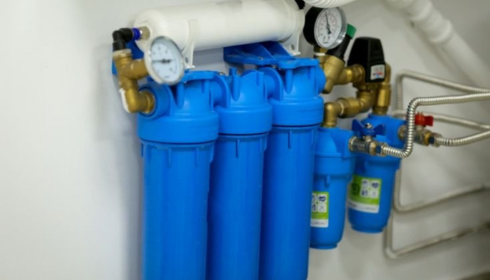
Water softeners are commonly used to address hardness. Filtration systems can target sediment and certain contaminants. Reverse osmosis may be appropriate for applications requiring more intensive treatment of dissolved substances. Other technologies can be used for specific commercial requirements.
The goal isn’t to install every available technology.
Instead, businesses should identify the actual water-quality concerns and choose equipment capable of addressing them. A properly sized and appropriately configured system is generally more useful than an oversized system packed with unnecessary features.
More equipment doesn’t automatically mean better treatment.
Maintenance Keeps the Investment Working
Even excellent equipment needs routine care.
Filters must be replaced. Components need inspection. Some systems require cleaning, calibration, or periodic professional servicing. Commercial facilities should have a clear maintenance schedule rather than relying on memory or waiting until something stops working.
Keeping service records can also be helpful. Over time, those records can reveal patterns, such as recurring filter changes or components that require more attention than expected.
Facility managers should also make sure employees know who to contact when they notice unusual water pressure, leaks, alarms, odors, or changes in water quality.
A small observation can prevent a bigger problem.
Think About Long-Term Operating Costs
The initial equipment price is only one part of the financial picture.
Businesses should consider installation, maintenance, replacement filters, consumables, energy use, water consumption, service agreements, and potential repair costs when comparing systems.
A less expensive system may look attractive at first, but frequent maintenance can change the calculation. Likewise, a more advanced system isn’t necessarily a better investment if its capabilities aren’t needed.
The strongest choice is usually the one that provides the right level of treatment while remaining practical to operate and maintain.
Professional Support Makes a Difference
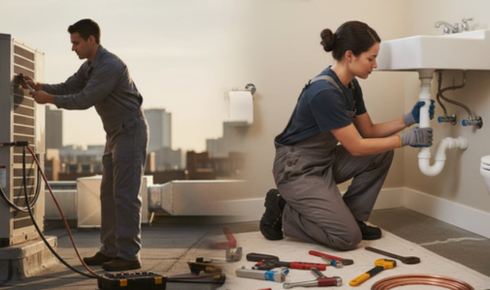
Commercial water treatment can become complicated, especially when several pieces of equipment are involved. Working with an experienced professional can simplify the process.
A good provider should evaluate the facility, explain the water-quality findings, recommend suitable technologies, and discuss maintenance requirements clearly.
Businesses should feel comfortable asking questions. What does the system remove? How often does it need service? What happens if performance changes? What are the ongoing costs?
Clear answers build confidence.
A Smarter Way Forward
Water treatment may not be the most visible part of a commercial operation, but it can have a surprisingly wide impact. It touches equipment, maintenance, efficiency, and sometimes the quality of the products or services a business provides.
The smartest approach is proactive: test the water, understand the facility’s needs, choose properly sized equipment, and maintain it consistently.
When water treatment is designed around the real requirements of a business, it doesn’t need to demand constant attention. It simply works in the background, helping equipment perform reliably and allowing employees to focus on the work that actually matters.
That’s the real value of good commercial water treatment—not more technology for the sake of technology, but a practical system designed to make everyday operations run a little smoother.