Water is one of those things we rarely think about when everything is working as it should. You turn on the shower, fill a glass, run the dishwasher, start a load of laundry, and carry on. It’s just water.
But then the little clues begin to appear. White spots form around the faucet. Glassware looks cloudy. Soap doesn’t seem to rinse away properly. Maybe the water heater needs attention more often than you’d expect. None of these things feels like a major crisis, but together they can become a daily nuisance.
That’s where efficient water treatment starts to make sense. A properly designed softening system isn’t simply about making water feel different. It can help manage mineral buildup, protect water-using equipment, and reduce some of the unnecessary resources associated with treating hard water. The trick is choosing equipment that actually fits the home instead of assuming bigger automatically means better.
First, Find Out What’s in the Water
Before buying any treatment equipment, it’s worth understanding the water you’re working with.
Hardness can vary significantly depending on the local water source. Municipal water may have a different mineral profile from one area to another, while private wells can introduce their own combination of minerals and other characteristics. Some households may also deal with sediment, iron, chlorine taste, or other concerns.
A water test provides a much clearer starting point.
Knowing the hardness level helps determine how much treatment capacity a household actually needs. It can also prevent homeowners from choosing equipment based on guesswork. After all, you wouldn’t buy a pair of shoes without knowing your size. Water treatment deserves at least the same level of thought.
Hard Water Can Affect More Than Fixtures
Most people notice hard water because of visible residue. Faucets develop spots, shower doors become difficult to keep clean, and dishes may lose that freshly washed appearance.
But mineral buildup can happen inside equipment too.
Water heaters, dishwashers, washing machines, coffee makers, and other appliances may be exposed to hard-water minerals regularly. When scale accumulates on heating components, it can interfere with heat transfer and potentially contribute to reduced efficiency over time.
That doesn’t mean every hard-water household is heading toward an appliance failure. The effect depends on water chemistry, appliance design, usage, and other factors. Still, reducing excessive mineral buildup can create a more favorable environment for equipment that handles water every day.
Efficiency Starts With the Right System Size
One of the easiest mistakes to make is choosing a softener based only on household size.
Two four-person households can have completely different water habits. One family may take short showers, run the dishwasher every other day, and rarely do laundry. Another might have teenagers taking long showers, frequent laundry loads, and multiple appliances running throughout the day.
Daily consumption matters, but peak demand matters too.
A system needs enough capacity to handle normal use while providing adequate flow when several fixtures are operating at once. An undersized unit may struggle to keep up, while an oversized system can cost more than necessary and may not operate as efficiently as intended.
Proper sizing is not particularly exciting, admittedly. But it’s one of the most important parts of the decision.
Using Resources More Thoughtfully
Water treatment itself uses resources. Depending on the system, regeneration may require water and salt, while some equipment also uses electricity for controls or operation.
That makes efficient design important.
A properly configured system can help a household use less energy in certain circumstances by reducing scale-related impacts on water-heating equipment. However, actual energy savings vary widely. Appliance efficiency, water temperature, hardness, usage patterns, and the condition of the equipment all play a role.
The takeaway isn’t that a softener magically cuts an energy bill. It’s more practical than that. Managing hardness can help reduce one factor that may interfere with efficient equipment operation.
Less Waste Comes From Avoiding Unnecessary Treatment
Efficiency isn’t only about what a system uses. It’s also about what it avoids using.
Choosing equipment that’s much larger than necessary can create unnecessary operating costs. Regenerating more frequently than required can consume additional resources. Installing several filtration stages without knowing whether they’re needed adds complexity and maintenance.
A thoughtful treatment plan focuses on the actual water conditions.
If hardness is the primary issue, softening may be enough. If sediment is present, a pre-filter might be appropriate. If taste and odor are the concern, carbon filtration could be considered.
The goal is less waste through better planning, rather than simply adding more equipment and hoping it improves the water.
Soft Water Can Make Everyday Cleaning Easier
Some benefits of water treatment are wonderfully ordinary.
When mineral hardness is reduced, soap and cleaning products may work more effectively in many household situations. Shower doors can be easier to maintain. Faucets may stay cleaner for longer. Glassware can come out looking clearer.
Of course, a water softener won’t clean your bathroom for you. If only.
But reducing mineral residue can make routine cleaning less frustrating. For a busy household, that’s a real benefit. Not every improvement needs to be dramatic to be worthwhile.
Capacity Matters When the Household Gets Busy
Water use rarely follows a neat schedule.
A family might have several people showering in the morning while someone starts the washing machine and another person runs the dishwasher. During weekends, usage can change again.
For homes with higher or unpredictable demand, having a continuous supply of soft water can make daily routines much easier. But that reliability depends on proper equipment sizing and adequate flow capacity.
A softener shouldn’t be selected solely according to its advertised grain capacity. Look at how much water the household actually uses and when that water is being used.
A professional assessment can help connect those numbers with the right equipment.
Maintenance Shouldn’t Be an Afterthought
Even an efficient system needs occasional attention.
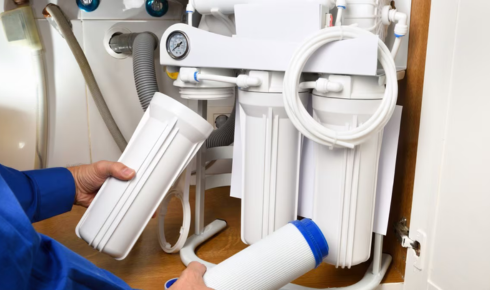
Depending on the setup, homeowners may need to monitor salt, replace filters, inspect connections, or arrange periodic service. Settings can also require adjustment when household water consumption changes.
Ignoring maintenance can gradually affect performance. A system that once worked well may not continue doing so if filters are overdue or components aren’t functioning properly.
Fortunately, routine maintenance doesn’t have to be complicated. Keeping a simple record of filter changes and service dates can go a long way.
Don’t Assume More Treatment Means Better Water
It’s tempting to think that adding another filter or buying a larger system must improve results.
Not necessarily.
Every additional component introduces another maintenance requirement and another potential operating cost. If testing doesn’t show a need for a particular treatment stage, adding it may not provide meaningful value.
Good water treatment is targeted. It addresses the specific characteristics of the water rather than trying to solve every possible problem at once.
Think Beyond the Purchase Price
The initial price of a softener is only one part of the financial picture.
Consider salt consumption, regeneration water, electricity, filter replacements, service costs, installation, and expected lifespan. A system that costs slightly more upfront might be worthwhile if it is better matched to actual household demand and easier to maintain.
At the same time, expensive doesn’t automatically mean efficient.
The real comparison is between long-term ownership costs and the benefits the system provides.
Small Improvements Can Add Up
Efficient water softening isn’t about finding a magical system that solves everything. It’s about making sensible decisions from the beginning.
Test the water. Understand household consumption. Consider peak flow. Choose the right treatment technology. Avoid unnecessary equipment. Keep the system maintained.
None of this sounds particularly glamorous, and honestly, it doesn’t need to.
A good water-treatment system is supposed to work quietly in the background. When it is properly selected and maintained, mineral buildup can be easier to manage, water-using equipment can be better supported, and household resources can be used more thoughtfully.
Over time, those small improvements matter. The best system isn’t necessarily the biggest, newest, or most complicated one. It’s the system that fits the home, treats the water for a clear reason, and quietly does its job day after day.