There’s a certain comfort in knowing that the person working on your home has seen this kind of problem before.
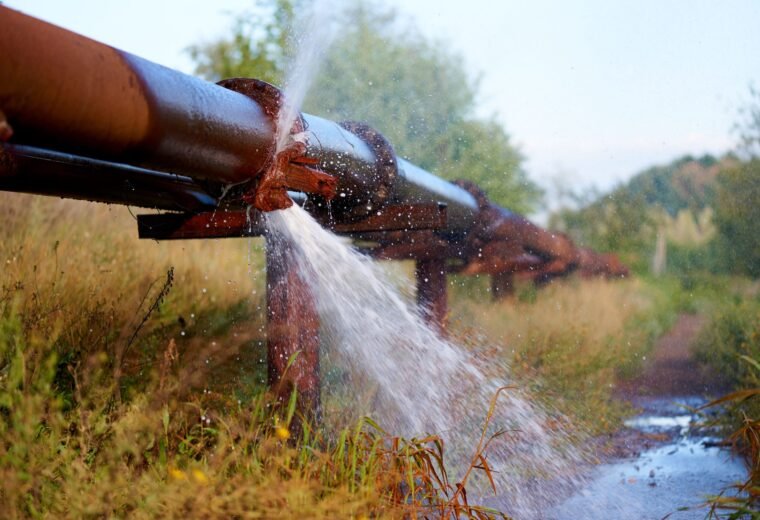
Plumbing issues rarely arrive at a convenient time. A pipe can start leaking just before guests arrive. A water heater can stop cooperating on a cold morning. A drain can suddenly become slow after months of working perfectly well. When something like that happens, you don’t really want someone learning on the job.
You want experience, practical judgment and a person who can stay calm when the situation gets messy.
That’s why choosing an experienced team of skilled professionals can make such a difference. Good service isn’t only about having the right tools. It’s about understanding what those tools are telling you, recognizing problems quickly and knowing when a simple repair is enough.
Experience Shows Up in the Small Details
Experience isn’t always obvious at first.
It may be the technician who notices a slightly unusual pipe connection. It could be someone who realizes that a recurring drain blockage isn’t really a drain problem at all. Sometimes it’s simply knowing which questions to ask before touching anything.
Years of working on different properties expose professionals to countless situations. Older homes, newer construction, unusual layouts, previous repairs, corroded fittings — every job adds another piece of practical knowledge.
That knowledge can save time.
More importantly, it can prevent unnecessary repairs. A professional who understands the bigger picture is less likely to replace a component simply because it’s the easiest thing to reach.
Technical Knowledge Is Only Part of the Job
A good technician needs more than experience. They also need strong technical skill.
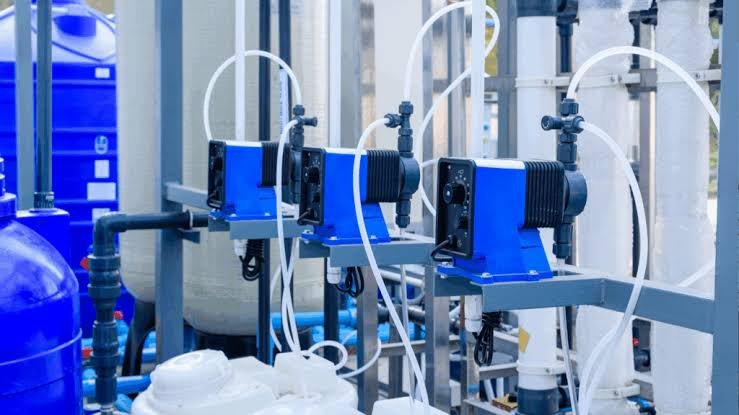
Modern plumbing systems can involve water heaters, filtration equipment, pumps, pressure controls, specialized fixtures and increasingly efficient appliances. Each system has its own requirements.
Technical knowledge helps professionals understand how these components work together.
For example, replacing a water heater isn’t always as simple as removing the old unit and connecting a new one. Electrical requirements, gas connections, venting, water pressure and available space can all matter depending on the equipment.
The same principle applies to water filtration. Choosing a system without understanding the incoming water quality may result in equipment that doesn’t actually address the homeowner’s main concern.
Knowledge leads to better decisions.
Good Problem Solving Goes Beyond the Obvious
Plumbing is often a detective job.
Water may appear in one location while the actual leak is somewhere else. A bathroom drain may keep clogging because of a problem farther down the line. Low pressure might affect the entire home rather than one fixture.
That’s where problem solving becomes essential.
Instead of focusing only on what is visible, an experienced professional looks for patterns.
What changed? When did the issue begin? Has the homeowner experienced it before? Does another fixture behave differently?
These questions may seem basic, but they can completely change the direction of a repair.
Sometimes the smartest solution is to slow down for a few minutes before starting work.
Every Home Has Its Own Personality
No two plumbing systems are exactly alike.
One house might have modern fixtures and recently replaced pipes. Another may have decades-old plumbing hidden behind renovated walls. A third might have undergone several repairs by different contractors over the years.
That history matters.
A professional shouldn’t assume that every property follows the same blueprint. They need to look at what’s actually there.
This is especially important during renovations. If a homeowner is remodeling a bathroom or kitchen, plumbing changes should be considered alongside the design. Moving a sink a few feet may sound simple, but drainage, water lines and access can all affect the project.
Planning ahead usually beats fixing surprises later.
Clear Communication Makes Technical Work Easier
Even excellent technical work can feel frustrating if nobody explains what’s happening.
Most homeowners aren’t expected to understand every plumbing term. They simply want to know what’s wrong, what needs to be done and what the repair is likely to involve.
A good professional can explain complicated issues without making them sound unnecessarily complicated.
If a component needs replacing, explain why. If there are two possible approaches, discuss the advantages and disadvantages. If the problem is more serious than initially expected, communicate that before moving forward.
This kind of transparency creates confidence.
And confidence matters when someone is working inside your home.
Quality Materials Matter, Too
Experience and technical knowledge are important, but materials still play a role in how long a repair lasts.
Using the correct fitting, seal, valve or pipe for the application can make a meaningful difference. Choosing materials solely because they’re cheap may save money today but create another repair tomorrow.
That doesn’t mean homeowners need the most expensive products available.
A knowledgeable professional should be able to recommend materials based on performance, compatibility and expected use.
Good workmanship and appropriate materials should work together.
Preventive Maintenance Is Smarter Than Emergency Repairs
Nobody wants to think about plumbing maintenance when everything is working.
But a little attention can reveal warning signs early.
Check beneath sinks for moisture. Look around water heaters for signs of leakage. Listen for toilets that keep running. Notice changes in water pressure. Pay attention to unusual noises from pipes or appliances.
These aren’t complicated inspections.
They simply involve noticing when something isn’t behaving the way it normally does.
Early attention can sometimes turn a major emergency into a relatively straightforward repair.
The Value of Asking Questions
Homeowners shouldn’t feel uncomfortable asking questions.
If a plumber recommends replacing equipment, ask why. If a repair seems more extensive than expected, ask what caused the problem. If maintenance is recommended, ask what could happen if it’s postponed.
A professional who takes pride in their work should be willing to explain.
Questions aren’t a sign that you don’t trust the technician. In many cases, they’re a sign that you want to understand your home better.
That knowledge can help you make smarter decisions in the future.
When DIY Makes Sense — and When It Doesn’t
There are small jobs many homeowners can handle.
Replacing a faucet aerator, cleaning a showerhead or tightening an easily accessible connection may be relatively simple.
But hidden leaks, major blockages, water heater problems, gas-related equipment and significant pipe repairs are another matter.
Trying to fix a complicated issue without understanding the cause can sometimes create additional damage.
Knowing when to call a professional is itself a useful form of home maintenance.
Experience Is About More Than Years
A long list of years in business doesn’t automatically guarantee excellent work.
Real experience is reflected in how professionals approach problems. Do they investigate? Do they communicate? Do they pay attention to details? Do they respect the property?
The best technicians continue learning because plumbing doesn’t stand still. New equipment, efficiency standards and installation methods continue to change.
Experience gives someone a foundation. A willingness to keep learning makes that experience even more valuable.
Reliable Work Creates Long-Term Trust
At the end of the day, homeowners want plumbing that works without constant attention.
They want repairs that last, equipment that performs properly and professionals who are honest about what needs to be done.
That combination comes from more than a toolbox.
It comes from practical experience, technical knowledge, careful diagnosis and a genuine willingness to solve problems rather than simply move them somewhere else.
When you find professionals who consistently work that way, keep their contact information. You may not need them every month, thankfully, but when a plumbing problem eventually appears, you’ll know exactly who to call.
And in home maintenance, having someone reliable on the other end of the phone is worth a lot.