When people picture industrial operations, they tend to imagine heavy machinery, production lines, forklifts moving nonstop, maybe sparks flying somewhere in the background. Water rarely enters the picture.
But honestly, modern industry would struggle to function without it.
Water supports cooling systems, manufacturing processes, sanitation, cleaning operations, energy production, food processing, and countless other behind-the-scenes tasks that keep facilities running smoothly every day. Most of the time, nobody notices it because everything works quietly in the background.
That invisibility is kind of the point.
But when water quality starts causing problems inside industrial environments, the effects spread quickly — and usually expensively.
Small Water Issues Become Large Industrial Problems
At home, hard water might leave spots on dishes or create mineral buildup around the sink. Annoying, sure, but manageable.
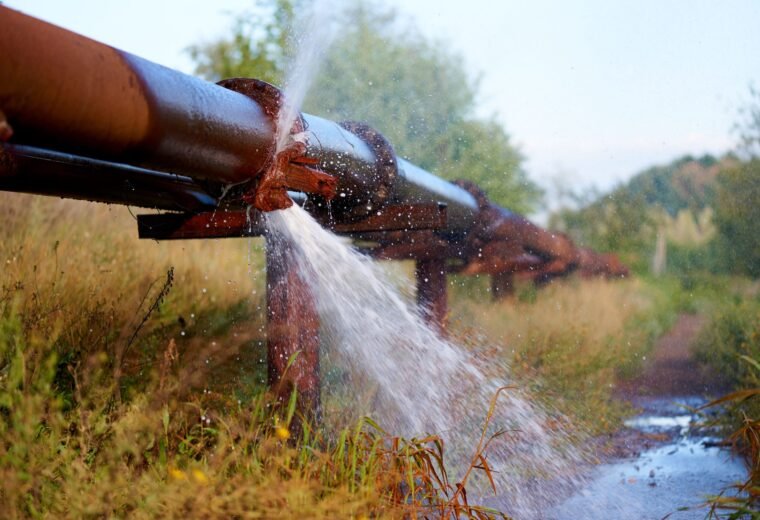
Inside factories and production facilities, those same minerals can quietly damage boilers, cooling towers, piping systems, and expensive machinery over time. Sediment clogs components. Corrosion weakens infrastructure. Heat transfer efficiency drops.
And the frustrating part is how gradually these problems develop.
A facility may not notice anything dramatic at first. Equipment simply becomes slightly less efficient month after month. Maintenance costs slowly increase. Energy bills creep upward. Production interruptions become more common without obvious explanation.
I once heard about a manufacturing plant that spent months troubleshooting repeated overheating issues in one section of the facility. They initially blamed old equipment. In reality, mineral scaling inside the cooling system had reduced efficiency enough to affect the entire operation.
Once the water issue was corrected, the “equipment problem” mostly disappeared.
That’s the thing about industrial water quality — it often hides behind other operational symptoms.
Every Industry Has Different Water Demands
Not all facilities use water the same way, which means treatment approaches vary significantly depending on the industry.
Food processing plants require strict sanitation standards. Pharmaceutical manufacturers often need extremely high-purity water. Textile operations may focus more heavily on mineral control and consistency. Energy facilities prioritize cooling efficiency and corrosion prevention.
That’s why modern industrial water systems are rarely generic anymore.
Companies increasingly design systems around the specific operational demands of their facility rather than relying on broad, one-size-fits-all setups. And honestly, that customization matters because water interacts differently with every process.
The wrong treatment approach doesn’t just waste money. It can quietly reduce operational performance across an entire facility.
Filtration Plays a Bigger Role Than People Realize
One of the most important layers of industrial water management is proper filtration.
Water often carries sediment, particles, minerals, or contaminants that may not seem serious initially but can create major issues inside sensitive equipment over time. Pumps, valves, cooling systems, boilers, and production machinery all perform better when those impurities are controlled properly.
That’s where advanced water filtration systems become critical.
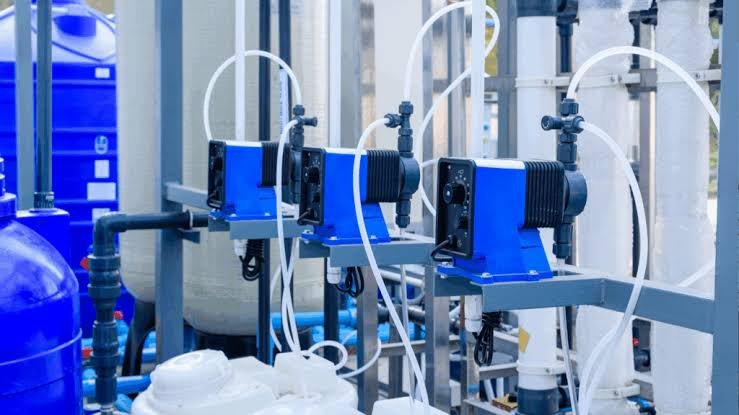
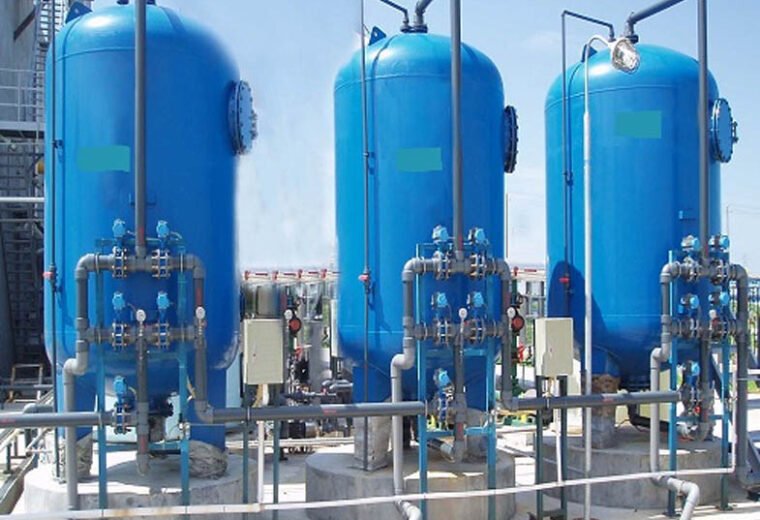
And honestly, modern filtration technology has become impressively sophisticated. Facilities now use layered filtration approaches designed specifically around their water source and operational needs. Some systems focus on sediment control, while others remove finer particles or dissolved contaminants depending on the process requirements.
What’s interesting is how much filtration impacts consistency. Equipment lasts longer. Maintenance becomes more predictable. Unexpected downtime decreases.
In industrial environments, consistency is everything.
Hard Water Quietly Damages Expensive Equipment
Hard water deserves special attention because its effects often feel deceptively minor at first.
Minerals like calcium and magnesium slowly accumulate inside industrial systems, especially in heating and cooling environments. Over time, this buildup reduces efficiency, increases energy consumption, and shortens equipment lifespan.
That’s why water softening remains one of the most important preventative strategies across many industrial operations.
Softening systems help remove hardness minerals before they can create scale buildup inside boilers, piping systems, and machinery. Facilities using softened water often experience lower maintenance costs and improved operational efficiency simply because equipment isn’t constantly fighting mineral accumulation behind the scenes.
And honestly, prevention matters far more than repair in industrial environments. Downtime gets expensive quickly.
Water Management Has Become Smarter
Industrial water infrastructure today looks very different from older systems many facilities relied on decades ago.
Modern operations increasingly use automated monitoring tools, efficiency tracking, and predictive maintenance technologies to manage water quality more precisely. Sensors can detect pressure changes, mineral levels, filter performance, or efficiency declines before problems escalate into costly failures.
That shift matters because reactive maintenance usually costs more than proactive maintenance.
Instead of waiting for systems to fail, facilities now try to identify warning signs early and correct issues before production gets disrupted.
And in industries where every hour of downtime affects revenue, that kind of reliability becomes incredibly valuable.
Sustainability Is Changing Industrial Priorities Too
There’s also growing pressure on industries to manage water more responsibly.
Water conservation, recycling systems, and energy-efficient treatment technologies are becoming larger priorities as businesses face rising operational costs and increasing environmental expectations. Facilities are under pressure to reduce waste while still maintaining production efficiency.
Better water management helps accomplish both goals.
Efficient systems reduce unnecessary water use, extend equipment lifespan, and improve overall operational performance. Those improvements benefit both the environment and the company’s bottom line, which is probably why sustainability and water infrastructure are becoming more connected than ever before.
Reliable Water Keeps Everything Else Stable
At the end of the day, industrial water management isn’t really about pipes, filters, or treatment chemicals alone.
It’s about stability.
Stable production schedules. Stable equipment performance. Stable maintenance costs.
When water quality is properly managed, facilities run smoother in ways most people never notice. Machines operate more efficiently. Energy systems perform better. Maintenance teams spend less time dealing with emergencies.
And maybe that’s the real sign of good infrastructure — it quietly supports everything around it without demanding attention for itself.